CA-FIRE · Water Flow Indicator Series

Stainless Steel Water Flow Indicator

SS304 / SS316 Saddle · DN100–DN200 · Corrosion-Resistant · 1.6 MPa · IP66
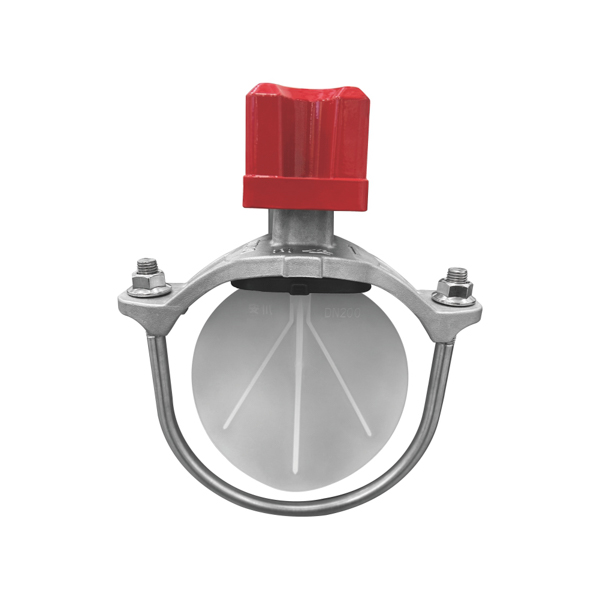
Model: ZSJZ-SS · DN100 / DN150 / DN200

Stainless Steel Water Flow Indicator for Corrosive Environments

The CA-FIRE stainless steel water flow indicator is engineered for fire sprinkler installations where standard epoxy-coated ductile iron would eventually corrode — coastal high-rises, tropical humid climates, marine environments, desalination plants, chemical facilities and mining sites. The fully stainless-steel saddle, paddle vane and internal hardware deliver multi-decade service life without rust, pitting or coating failure.

SS304 body as standard — chloride- and humidity-resistant
SS316 optional for marine splash zones & aggressive chemistry
DN100 / DN150 / DN200 stock sizes, other DNs on request
Full SS internals — paddle, shaft and fasteners all match grade
1.6 MPa working pressure · IP66 enclosure
Dual NC contacts DC24V 1A / AC220V 0.5A — direct to FACP

Three Reasons to Upgrade from Ductile Iron to Stainless

The ductile iron saddle water flow indicator is the workhorse of the fire sprinkler industry — but in certain environments, the epoxy coating that protects its body eventually breaks down. When that happens, the indicator itself still works, but the saddle and U-bolts corrode in place, making service replacement difficult and compromising the pipe seal. The stainless steel variant eliminates this failure mode at the material level.

01
No Coating to Fail
Ductile iron depends on a fusion-bonded epoxy coating to resist corrosion. A single chip exposed during installation starts a rust pocket that spreads under the coating for years. Stainless steel has no coating to chip — the corrosion resistance is intrinsic to the material throughout its full cross-section.
02
Life-Safety Longevity
Fire protection equipment is expected to sit untouched for 25 plus years and still work perfectly when a fire starts. In coastal air or humid climates a coated iron saddle may only last 10 to 15 years before maintenance becomes mandatory. A stainless steel saddle is installed and essentially forgotten — no inspection findings, no unexpected replacement budget.
03
No Rust Staining
In finished architectural spaces — hotel ceilings, mall atriums, airport concourses — a corroding saddle produces rust streaks that run down the sprinkler pipe and onto ceilings and walls. Stainless steel stays clean indefinitely, preserving the architectural finish and avoiding expensive redecoration.

SS304 vs SS316 — Which Grade Do You Need?

Both SS304 and SS316 are austenitic stainless steels suitable for fire sprinkler water flow indicators. The difference is the addition of 2 to 3 percent molybdenum in SS316, which dramatically improves resistance to chlorides and pitting corrosion. Select by the aggressiveness of the environment — in many projects SS304 is more than sufficient, but for direct marine service or chloride exposure, SS316 is the correct specification.

SS304
Standard grade · 18% Cr · 8% Ni
  • Coastal high-rise buildings (non-splash)
  • Tropical humid climates (SE Asia, Africa)
  • Indoor commercial & residential projects
  • Hotels, shopping malls, airports
  • Car parks, basements, plant rooms
  • General industrial buildings
Recommended default for ~85% of stainless-steel projects. Lower material cost than SS316.

Full Technical Specifications

The stainless steel variant shares the same electrical, actuation and signal-output platform as the standard ductile iron ZSJZ series — wiring and FACP programming are identical. Only the wetted and external materials differ.

Table 1 — Electrical & Mechanical

ParameterSpecification
ModelZSJZ-SS (DN100 / DN150 / DN200)
Body materialSS304 (standard) or SS316 (optional, specify on order)
Paddle materialSS304 or SS316 flexible vane (matches body grade)
Shaft & fastenersSS304 or SS316 (matches body grade)
Gasket materialEPDM rubber (FKM optional for chemical service)
Working pressure1.6 MPa (16 bar / ~230 psi) maximum
Media temperature4°C to 70°C
Ambient temperature−10°C to +55°C
Switch typeHall-effect micro-switch, sealed
Contact formTwo sets of normally closed (NC) contacts
Contact ratingDC24V 1A / AC220V 0.5A
Enclosure ratingIP66
Cable entryM20 × 1.5 threaded cable gland (SS316 gland optional)
Corrosion testSalt spray tested per ASTM B117
Mounting orientationHorizontal or vertical pipe (head upright)

Table 2 — Dimensions & Alarm Flow by Pipe Size

Pipe DN Drilled Hole Size Working Pressure Alarm Flow Rate Contact Rating Contact Form
DN10050 mm1.6 MPa22 L/minDC24V 1A / AC220V 0.5A2× NC
DN15050 mm1.6 MPa30 L/minDC24V 1A / AC220V 0.5A2× NC
DN20084 mm1.6 MPa33 L/minDC24V 1A / AC220V 0.5A2× NC
Other sizes (DN80 · DN125 · DN250 · DN300) available in stainless steel on request with extended lead time. Contact our sales team to confirm MOQ for non-stock sizes.

Where the Stainless Steel Variant Is Mandatory

These environments will corrode a standard epoxy-coated ductile iron saddle within years, not decades. In every case below, stainless steel is the correct material choice for a life-safety device expected to last the lifetime of the building.

🌊
Coastal High-Rise (GCC)
Dubai, Abu Dhabi, Jeddah, Doha — salt-laden onshore winds penetrate every plant room and service riser. SS304 saddles are now specified by default on most GCC high-rise fire protection schedules.
SS304
🌴
Tropical Humidity
Singapore, Kuala Lumpur, Jakarta, Manila, Lagos — year-round humidity above 75% accelerates coating blistering and crevice corrosion. SS304 pays back within the first decade of building life.
SS304
🚢
Marine & Offshore
Ships, ports, offshore platforms, LNG terminals — direct splash or continuous salt spray demands SS316. Chloride concentrations far exceed what molybdenum-free stainless can resist.
SS316
🏭
Chemical & Petrochemical
Fertilizer plants, pulp & paper, chemical processing — acidic or chloride-bearing atmospheres. SS316 with FKM gasket is the baseline specification.
SS316
⛏️
Mining & Minerals
Underground mines, ore processing plants, conveyor galleries — humid, acidic and often dust-laden. South African and Indonesian mining projects routinely specify SS304 or SS316 depending on ore chemistry.
SS304 / SS316
💧
Desalination & Water Treatment
Seawater RO plants, swimming-pool equipment rooms, water treatment works — the fire water itself may contain chloride or chlorine. SS316 is mandatory for direct wetted service.
SS316

Factory-Direct Export Terms

Stainless steel units are cast and finished to order, so lead time is longer than the standard ductile iron variant. SS316 adds a further 5 to 7 days to the schedule versus SS304. Contact our sales team for firm project pricing, LC terms and OEM enquiries.
MOQ
30 pcs
Lead Time
25–30 days
FOB Port
Ningbo, China
Payment
30% TT + 70% · L/C at sight
Grade Options
SS304 · SS316 · Duplex (POA)
OEM / Private Label
Yes, from 100 pcs

Frequently Asked Questions

Why use a stainless steel water flow indicator instead of ductile iron?
Standard ductile iron saddle water flow indicators rely on an epoxy coating for corrosion protection. In coastal air, tropical humidity, marine atmospheres, chemical plants, mining sites or anywhere the saddle is exposed to salt, moisture or aggressive water chemistry, the coating eventually fails and the underlying iron rusts — seizing the U-bolts and compromising the seal. A stainless steel body eliminates this failure mode at the source. For life-safety equipment expected to last 20+ years without maintenance, the material upgrade pays back quickly.
What is the difference between SS304 and SS316 water flow indicators?
SS304 contains 18% chromium and 8% nickel. It handles most freshwater, humid and lightly corrosive environments. SS316 adds 2–3% molybdenum, dramatically improving resistance to chlorides and pitting corrosion. Use SS304 for coastal high-rises, tropical sites and most industrial buildings. Specify SS316 for direct marine splash zones, desalination plants, seawater cooling systems, swimming-pool machinery rooms and aggressive chemical atmospheres where chlorides are concentrated.
Is the stainless steel flow indicator suitable for seawater fire protection systems?
For direct seawater service (offshore platforms, ship engine rooms, desalination plants), specify the SS316 variant. SS316 with the standard EPDM gasket is rated for chloride-bearing water at ambient temperatures. For continuous brine or seawater pumping above 40 °C, contact CA-FIRE engineering for a duplex or super-duplex stainless-steel specification.
Is the internal paddle and switch also stainless steel?
Yes. The paddle vane is SS304 flexible strip on the SS304 model, and SS316 strip on the SS316 model. Internal shaft and fasteners match the body grade. The Hall-effect micro-switch is sealed and the enclosure is IP66 rated, so the switch is not exposed to the water flow regardless of body material.
What sizes does the stainless steel water flow indicator come in?
CA-FIRE stainless steel water flow indicators are available in DN100, DN150 and DN200 as standard. Other sizes (DN80, DN125, DN250, DN300) in stainless steel are available on request with a minimum order quantity of 100 pieces and extended lead time for non-stock sizes.
What is the MOQ and lead time for the stainless steel variant?
Minimum order quantity is 30 pieces for the stainless steel saddle water flow indicator, with a standard lead time of 25 to 30 working days. Lead time is longer than the ductile iron model because stainless steel bodies are cast to order rather than held in stock. Bulk orders (200+ pieces) can be quoted with a firm schedule.
Request a Quote for Stainless Steel Water Flow Indicator
Specify SS304 or SS316. Contact CA-FIRE for pricing, MOQ, lead time, corrosion test certificates or OEM enquiries.
📧 Get a Quote Now
Scroll to Top