CA-FIRE · Water Flow Indicator Series

Explosion-Proof Water Flow Indicator

ZSJZ Ex · Ex db IIC T6 Gb / Ex tb IIIC T80°C Db · Zone 1/2/21/22 · DN50–DN300 · IP66
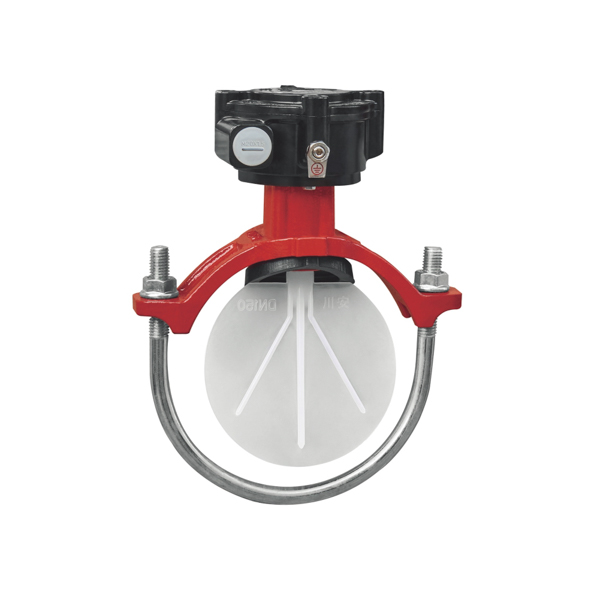
Model: ZSJZ (50–300)-M-1.6Ex · DN50–DN300

Explosion-Proof Water Flow Indicator for Hazardous Areas

The CA-FIRE ZSJZ Ex is the hazardous-area variant of our ZSJZ saddle-mount water flow indicator, engineered for fire sprinkler systems installed inside ATEX / IECEx classified zones. A flameproof housing (Ex db) encloses the switch head, containing any internal spark or arc and preventing ignition of the surrounding explosive atmosphere. Certified for Zone 1, Zone 2, Zone 21 and Zone 22 — suitable for oil and gas, LNG, petrochemical, mining and fertilizer facilities across Southeast Asia, the Middle East and Africa.

Gas Atmosphere Marking
Ex db IIC T6 Gb
Dust Atmosphere Marking
Ex tb IIIC T80°C Db
Ex db IIC T6 Gb — flameproof, gas group IIC, T6 temperature
Zone 1 / 2 / 21 / 22 — gas & dust certified
ATEX / IECEx compatible pathway
DN50–DN300 saddle mount · 1.6 MPa
IP66 weatherproof enclosure
DC24V / 1A · dual NC contacts to FACP

What Does "Ex db IIC T6 Gb" Actually Mean?

The Ex marking tells a safety engineer in 11 characters exactly where this device can be installed and what explosive atmospheres it can survive. Each part of the code carries a specific meaning — the decoder grid below breaks down all five segments.

Ex db IIC T6 Gb
Ex
Explosive Atmosphere
Certifies the equipment is rated for use in explosive gas, vapour or dust atmospheres per IEC 60079 series.
db
Protection Type
Flameproof enclosure (d) at protection level "b". Contains any internal ignition inside the housing, preventing flame transfer to the surrounding atmosphere.
IIC
Gas Group
Most severe gas group — includes hydrogen, acetylene and carbon disulphide. Covers all gases in groups IIA and IIB as well.
T6
Temperature Class
Maximum external surface temperature stays below 85 °C. Suitable for gases with auto-ignition above 85 °C — the widest applicability.
Gb
Protection Level
Equipment Protection Level (EPL) for gas atmospheres — suitable for Zone 1 (explosive gas likely in normal operation) and Zone 2 by extension.

The secondary dust marking "Ex tb IIIC T80°C Db" uses the same logic for dust atmospheres: tb = dust-ignition protection by enclosure, IIIC = all dust groups including conductive dust, T80°C = max 80°C surface on dust layer, Db = suitable for Zone 21.

The 4 Hazardous Zones This Unit Covers

Hazardous areas are classified by how often an explosive atmosphere is present. Gas zones (0, 1, 2) and dust zones (20, 21, 22) follow the same logic: lower number means more frequent hazard. The ZSJZ Ex covers Zone 1 and Zone 2 for gas, plus Zone 21 and Zone 22 for dust — which addresses virtually all fire sprinkler installations in classified process facilities. Note: Zone 0 and Zone 20 (continuously hazardous) typically do not house fire sprinkler equipment directly.

Gas
Zone 1
Likely in normal operation
Explosive gas atmosphere is likely to be present during normal plant operation.
e.g. process areas around valves/pumps handling volatile hydrocarbons; tank-farm bund areas.
Gas
Zone 2
Unlikely but possible short-term
Gas atmosphere is not likely in normal operation but may be present briefly during upsets.
e.g. outside the bund wall of a tank farm; ventilated pump rooms; LNG terminal perimeter areas.
Dust
Zone 21
Likely in normal operation
Combustible dust cloud is likely to be present in air during normal operation.
e.g. inside grain silos (headspace), flour-mill hoppers, sugar processing, coal handling.
Dust
Zone 22
Unlikely but possible
Dust cloud is not likely in normal operation but may briefly occur.
e.g. around bag-filling machines, outside silo discharge points, conveyor galleries.

ATEX vs IECEx — Which Applies in Your Market?

Both schemes use the same underlying IEC 60079 technical standards, so an engineer in the UAE reads the "Ex db IIC T6 Gb" marking identically to an engineer in Germany. The difference is the issuing framework and regional acceptance. Check your project specification to confirm which scheme is mandated.

Scheme Jurisdiction Typical Markets Accepted In Target Regions
ATEX European Union Directive 2014/34/EU EU, UK, Russia, selected projects in ME/AF with European EPC contractors UAE ✓ · Saudi ✓ · Malaysia ✓ · South Africa ✓ · Philippines ✓
IECEx International IEC scheme (global framework) Most countries in the Middle East, SE Asia, Africa, Australia, LatAm UAE ✓ · Saudi ✓ · Malaysia ✓ · South Africa ✓ · Philippines ✓
Local national schemes Country-specific (e.g. SASO-GCC in GCC, CNEx in China) Added on top of ATEX/IECEx when required for customs clearance Confirm with local Civil Defence or regulator on each project
CA-FIRE can provide ATEX-compatible documentation, IECEx-compatible documentation, or both for the same physical product. Confirm scheme requirement at order stage so the correct certification package ships with the goods.

Full Technical Specifications

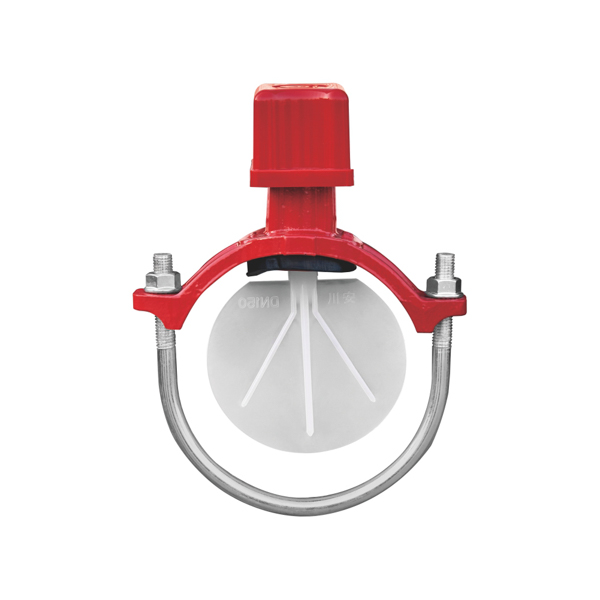
The ZSJZ Ex shares its hydraulic platform and sensing principle with the standard ductile iron ZSJZ — same paddle vane, same alarm flow rates, same dual NC contact output. The explosion-proof variant adds a certified flameproof housing (Ex d) around the switch head.

ParameterSpecification
ModelZSJZ (50–300)-M-1.6Ex
Size rangeDN50 to DN300 (saddle-mount)
Gas-atmosphere markingEx db IIC T6 Gb
Dust-atmosphere markingEx tb IIIC T80°C Db
Hazardous zonesZone 1, Zone 2, Zone 21, Zone 22
Certification pathwayATEX / IECEx compatible documentation available
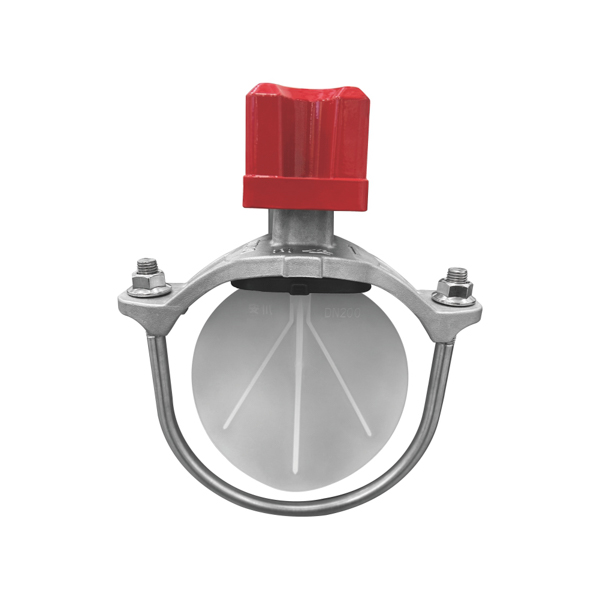
Body materialDuctile iron with epoxy coating · SS304 Ex housing optional
Ex housing materialFlameproof alloy, powder-coated
Paddle materialStainless steel flexible vane
Working pressure1.6 MPa (16 bar / ~230 psi) maximum
Alarm flow rate15 L/min (DN50) to 37.5 L/min (DN300)
Media temperature4°C to 70°C
Ambient temperature−20°C to +55°C
Rated voltage / currentDC 24V, 1A maximum
Contact formTwo sets of normally closed (NC) contacts
Enclosure ratingIP66
Cable entryEx-rated M20×1.5 flameproof cable gland
Max surface temp85°C (T6 class)
MountingSaddle (U-bolt) as per standard ZSJZ procedure
DocumentationEx certificate + declaration of conformity + test report per order

Where Ex-Rated Flow Indicators Are Mandatory

Every application below has dedicated hazardous-area classification requirements. A standard water flow indicator is non-compliant on these projects regardless of its electrical rating — only an Ex-certified unit can be installed inside the classified zone.

Oil & Gas Production
Zone 1 · 2
🏭
LNG Terminals
Zone 1 · 2
⚗️
Petrochemical Plants
Zone 1 · 2
🛢️
Tank Farms & Terminals
Zone 1 · 2
⛏️
Underground Mining
Zone 21 · 22
🌾
Grain Silos & Mills
Zone 21 · 22
🎨
Paint & Solvent Storage
Zone 1 · 2
🧪
Fertilizer & Chemical
Zone 2 · 22

Factory-Direct Export Terms

Each ZSJZ Ex unit ships with signed and stamped certification documentation required for Civil Defence / project handover in the destination market. Extra lead time covers document preparation and certificate authentication. Contact our sales team for firm project pricing, Aramco / ADNOC vendor enquiries, or LC terms.
MOQ
20 pcs
Lead Time
30–45 days
FOB Port
Ningbo, China
Payment
30% TT + 70% · L/C at sight
Certification
ATEX &/or IECEx pack
OEM / Private Label
Project quantities only

Frequently Asked Questions

What does the Ex db IIC T6 Gb marking mean?
The Ex db IIC T6 Gb code defines the explosion-protection specification of the equipment. Ex means the device is certified for explosive atmospheres. db is the protection type — flameproof enclosure, which contains any internal ignition and prevents it from reaching the surrounding atmosphere. IIC is the gas group, the most severe category, covering hydrogen, acetylene and similar ultra-sensitive gases. T6 is the temperature class, meaning the maximum external surface temperature stays below 85 °C. Gb is the equipment protection level, suitable for Zone 1 areas where an explosive atmosphere is likely to occur during normal operation.
What is the difference between ATEX and IECEx certification?
ATEX is the European Union directive (2014/34/EU) for equipment used in explosive atmospheres. ATEX certification is mandatory for equipment sold into the EU and is widely accepted in the UK and most European-influenced markets. IECEx is the international IEC scheme based on the same technical standards as ATEX but issued under a global framework. IECEx is widely accepted across the Middle East, Southeast Asia, Africa, Australia and Latin America. Many manufacturers certify equipment under both schemes so a single product can be supplied globally. Check your project specification carefully, as some jurisdictions require specifically one or the other.
Which hazardous zones is the ZSJZ Ex certified for?
The CA-FIRE ZSJZ Ex is certified for four hazardous zones. For gas atmospheres: Zone 1 (explosive gas likely to occur in normal operation) and Zone 2 (explosive gas unlikely but may occur for short periods). For dust atmospheres: Zone 21 (combustible dust likely in normal operation) and Zone 22 (dust unlikely but may occur). The unit carries both a gas marking (Ex db IIC T6 Gb) and a dust marking (Ex tb IIIC T80 °C Db), making it suitable for mixed-hazard facilities such as petrochemical plants where both gas and dust zones coexist.
What applications require an explosion-proof water flow indicator?
Any fire sprinkler system installed inside or near a classified hazardous area requires Ex-rated flow indicators on that portion of the pipework. Typical applications include: oil & gas production platforms and tank farms, LNG receiving and liquefaction terminals, petrochemical and refining facilities, paint and solvent storage rooms, grain silos and flour mills (dust zones), coal and metal mining operations, fertilizer and chemical plants, and any facility with explosive gas, vapour or dust concentrations. In these locations a standard water flow indicator is not compliant and cannot be used regardless of its electrical rating.
Does the explosion-proof unit work the same electrically as the standard ZSJZ?
Yes. The internal paddle-vane sensing mechanism and Hall-effect micro-switch are electrically identical to the standard ductile iron ZSJZ. The only difference is the flameproof Ex housing that encloses the switch head. The unit outputs the same dual NC contacts rated DC 24V 1A, wires into the same fire alarm control panel circuits, and behaves identically for alarm signalling. This means a project mixing hazardous and non-hazardous zones can use one panel and one wiring standard across both areas.
What is the MOQ and lead time for the explosion-proof variant?
Minimum order quantity is 20 pieces for the ZSJZ Ex explosion-proof water flow indicator, with a standard lead time of 30 to 45 working days. Lead time is longer than the standard ZSJZ because each unit ships with signed and stamped certification documentation required for project handover. For rush projects contact our sales team to discuss expediting options.
Request a Quote for Explosion-Proof Water Flow Indicator
Confirm ATEX or IECEx documentation requirement, target hazardous zones and DN schedule. Contact CA-FIRE for project pricing and certification packs.
📧 Get a Quote Now
Scroll to Top