Remote Control Fire Monitor — RCFM Electric Series | CA-FIRE Protection
CA-FIRE Protection · Fire Monitors

Remote Control Fire Monitor — RCFM Electric, Auto / Manual, Unmanned Protection

RCFM Series · Motorised pan/tilt · Fire detection integration · Pre-programmed scan · Tunnels · LNG · Warehouses · CA-FIRE Factory Direct

Home Fire Monitors Remote Control Fire Monitor — RCFM
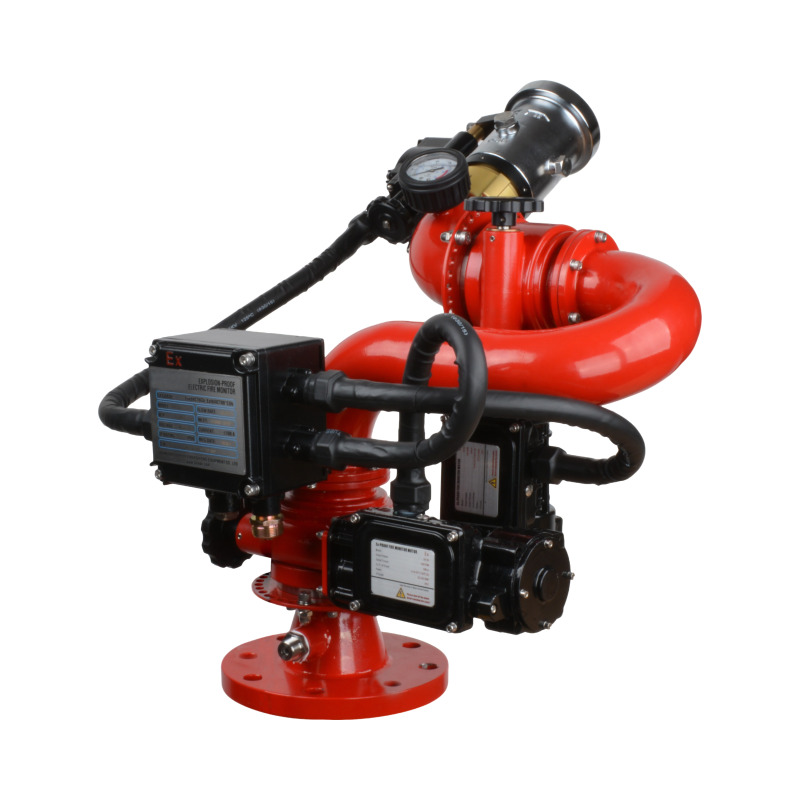
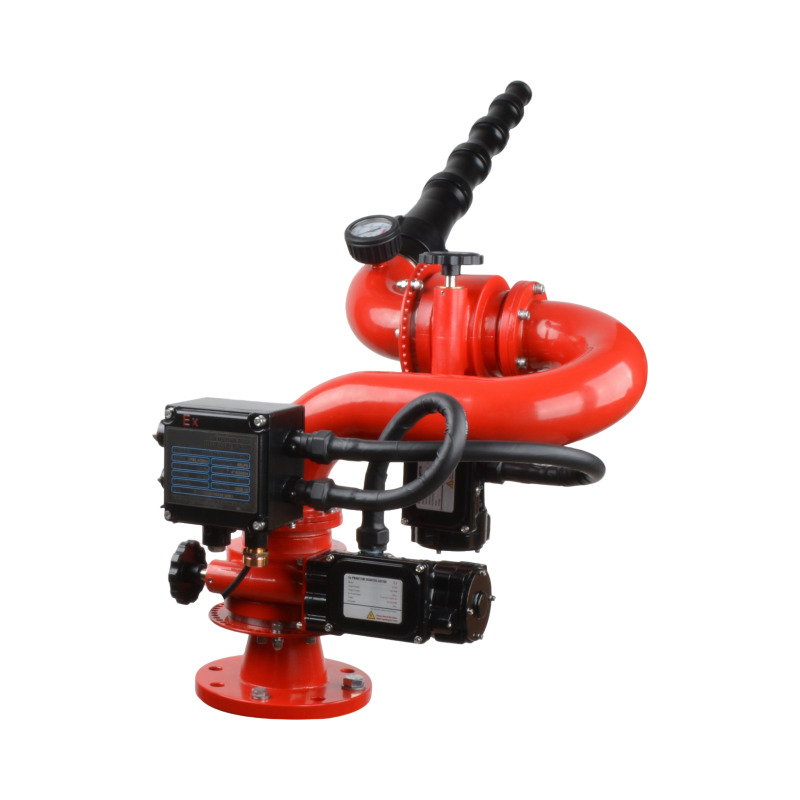
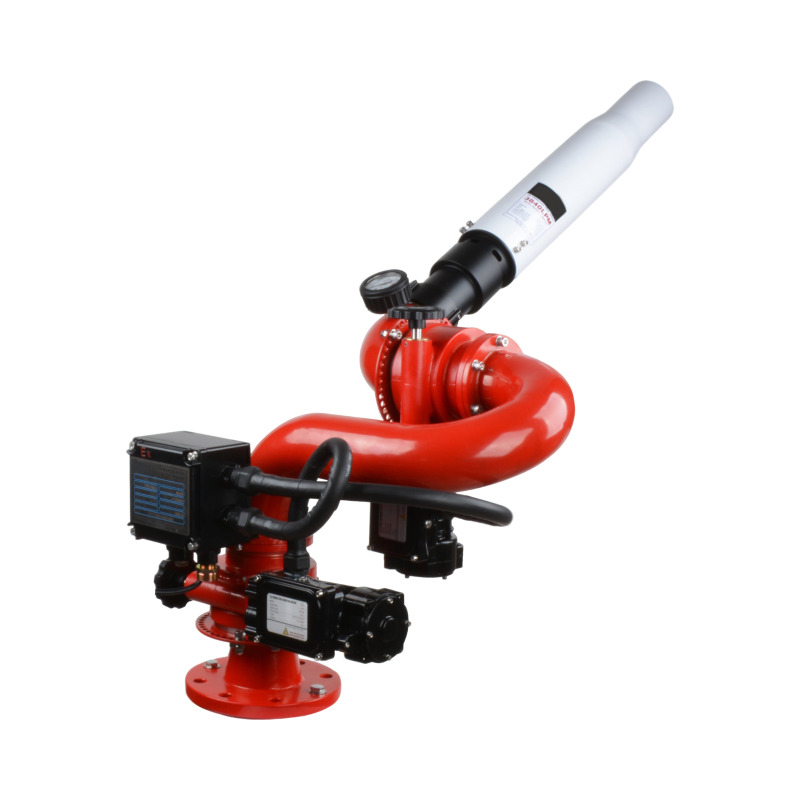
RCFM electric remote control fire monitor motorised pan tilt CA-FIRE RCFM · Electric

Fully Unmanned Fire Suppression — Electric Drive, Auto-Detection Link, Zero Personnel Required

RCFM Series · Electric Pan/Tilt · Auto + Manual Mode · IP65 Outdoor Rated

The CA-FIRE RCFM is a fully electric remote control fire monitor. Both the horizontal rotation and vertical elevation axes are driven by electric motors controlled from a remote panel — no personnel are required at the monitor position during operation. The RCFM supports two operating modes: manual mode (operator aims and controls from the remote panel in real time) and automatic mode (the monitor responds directly to fire detection system signals, drives to a pre-programmed position and begins discharge without human intervention).

The RCFM is the solution for any location where fire suppression is required but personnel access during a fire is prohibited — tunnels, LNG terminals, offshore platforms, cable tunnels, data centres, unmanned substations and high-rack automated warehouses. It can be pre-programmed with multiple target positions, oscillation patterns and scan sectors to cover different protection zones from a single installed unit.

Electric Pan / Tilt
Auto + Manual Mode
360° Horizontal
IP65 Protection
0 staff At Monitor
  • Fully electric motorised pan/tilt — no personnel required at the monitor during operation
  • Auto mode: links directly to fire detection system — activates and aims without human intervention
  • Manual mode: operator aims and controls from remote panel in real time
  • Pre-programmable target positions, oscillation patterns and sector scan sequences
  • Integrates with FACP, BAS, PLC, SCADA via dry contact or digital I/O
  • IP65 outdoor rated — suitable for exposed industrial environments
  • Manual override retained at all times — cannot be locked out by automation
  • Water or foam-water medium — compatible with PZ Series base

Intelligent Fire Monitor — Automatic Detection & Suppression Demo

🤖 RCFM Intelligent Water Monitor — Auto Fire Suppression

This video demonstrates the RCFM in full automatic operation. When the fire detection system receives an alarm signal, the monitor automatically drives to the pre-programmed target position, opens the supply valve and begins water discharge — all without any operator input.

The entire sequence from alarm trigger to water discharge takes seconds. This speed of response is only possible with an electric remote control monitor — a manual monitor requires a person to physically reach the monitor position and aim it, which may take minutes in a large facility or may be impossible entirely if the monitor is in an access-restricted zone.

What this video shows:
  • Fire detection signal triggers automatic monitor activation
  • Motorised pan/tilt drives monitor to pre-programmed fire zone position
  • Supply valve opens — water discharge begins within seconds of alarm
  • Monitor oscillates to cover the protected area during suppression
  • Operator monitoring from remote panel — zero personnel at monitor

Auto Mode: From Alarm to Suppression in Seconds

1
🔥
Fire Detected
A flame detector, heat detector or smoke detector in the protected zone activates and sends an alarm signal to the fire alarm control panel (FACP).
2
📡
Signal to RCFM
The FACP sends a dry contact or digital I/O signal to the RCFM controller. The controller identifies which detection zone triggered and retrieves the pre-programmed monitor position for that zone.
3
🎯
Auto Aim
The electric motors drive the monitor to the stored azimuth and elevation for the triggered zone. The monitor is on target within seconds of receiving the signal — no operator required.
4
💧
Discharge & Scan
The supply valve opens and water discharge begins immediately. The monitor can oscillate across a pre-programmed scan sector to cover the full fire zone, continuing until the operator or automated reset signal stops discharge.

Technical Specifications — RCFM Electric Remote Control Monitor

Parameter Specification Notes
Drive TypeElectric motor — horizontal pan + vertical tiltIndependent motors on each axis
Operation ModesAuto (detection-linked) / Manual (remote panel)Manual override always active
Horizontal Rotation360° continuous or programmable sectorOscillation patterns supported
Vertical Elevation–15° depression to +60° elevationProgrammable limits available
Detection IntegrationDry contact input / Digital I/OFACP, BAS, PLC, SCADA compatible
Pre-programmed PositionsMultiple zones per unitEach zone mapped to detector input
Oscillation / ScanProgrammable sector sweepSpeed and limits configurable
Protection RatingIP65Outdoor / industrial environment rated
Control InterfaceRemote panel / PLC / BAS / SCADACustom interfaces on request
MediumWater or Foam-WaterCompatible with AFFF, FFFP, protein foam
Base CompatibilityPZ Series flanged pipe base (DN100/DN150)Same base as PS / PL Series monitors
Manual OverrideYes — retained at all timesCannot be disabled by automation
Power SupplyAC 220V / customisableUPS backup recommended for critical installations

† Flow rate, throw range and nozzle specifications are configured to project requirements. Contact CA-FIRE with your flow and range requirements for a detailed technical specification.

Key Design Features

🤖
Fully Automatic Operation
In auto mode, the RCFM requires zero personnel at the monitor. When a fire detector triggers, the controller drives the monitor to the pre-programmed position for that detector zone, opens the supply valve and begins water discharge — all within seconds of the alarm signal, faster than any attended response is possible.
🎯
Pre-Programmed Target Positions
Multiple azimuth and elevation positions can be stored in the controller — one for each detector zone or fire risk area in the protected space. When a zone triggers, the controller retrieves the stored position for that zone and drives the monitor there automatically. This eliminates the aiming delay inherent in manual attended operation.
🔄
Oscillation & Sector Scan
The RCFM can be programmed to oscillate continuously between two azimuth limits at a set traversal speed during discharge. This allows one monitor to sweep and cover a wider protected zone — particularly valuable in large warehouse bays, tunnel sections and open process areas where the exact fire origin point may be uncertain.
📡
Fire System Integration
The RCFM connects to fire alarm control panels (FACP) via dry contact, and to building automation systems, PLCs and SCADA via digital I/O. It can also integrate with directional flame detectors that provide azimuth data, allowing the monitor to auto-aim at the detected flame position rather than a fixed pre-stored point.
🕹️
Manual Mode Always Available
Manual mode from the remote control panel is always available regardless of the automation state. Operators can take direct control at any time to override the auto mode aim, adjust nozzle pattern or perform surveillance scans. Manual override cannot be disabled by the automation system — a critical safety requirement for fire suppression equipment.
🛡️
IP65 Outdoor Rated
The RCFM motor housing and controller enclosure are IP65 rated — protected against dust ingress and water jets from any direction. Suitable for exposed outdoor industrial environments, coastal installations, tunnels and locations subject to rain, spray, wash-down or condensation. Optional IP66/IP67 rating available for submersion-risk locations.

What the RCFM Can Connect To

🚨
Fire Alarm Control Panel (FACP)
Dry contact input from FACP zone outputs. Each detector zone maps to a stored monitor position. Activation triggers automatic aim and discharge.
🏢
Building Automation System (BAS)
Digital I/O integration with BAS/BMS allows monitor status, alarm acknowledgement and control commands to be managed from the building management platform.
⚙️
PLC / Industrial Control
Modbus, Profibus or hardwired I/O integration with PLC-based industrial control systems. Common in petrochemical plants, power stations and process facilities.
🖥️
SCADA / Remote Monitoring
SCADA integration allows monitor status, position and discharge history to be logged and monitored remotely. Alarm events and activation records are stored for post-incident review.
🔥
Flame Detector (Directional)
Directional flame detectors that output azimuth data can feed real-time fire location to the RCFM controller, enabling the monitor to auto-aim directly at the flame rather than a fixed pre-programmed point.
🎮
Dedicated Remote Panel
CA-FIRE supplies a dedicated remote control panel with joystick or button controls for manual operation, nozzle pattern selection, zone recall and system status display. Custom panel configurations available.
📱
Video / Thermal Camera Integration
Optional integration with video or thermal imaging cameras allows the operator to visually confirm fire location on screen and aim the monitor accordingly, without entering the fire zone.
🔋
UPS Battery Backup
Recommended for critical installations. UPS backup maintains remote panel control and motor drive during mains power failure, ensuring the RCFM remains operational when the grid supply is interrupted by the fire event.

Remote Control Monitor vs Manual Monitor — When to Choose Each

✦ This Product
RCFM Remote Control Monitor
  • Zero personnel required at the monitor during operation
  • Automatic response — activates within seconds of fire detection signal
  • Operable from any distance via remote panel or integrated control system
  • Pre-programmed positions and oscillation patterns
  • Mandatory for tunnels, LNG terminals and zones where access is prohibited
  • Integrates with FACP, BAS, PLC, SCADA systems
  • ⚠️ Higher initial cost than manual monitors
  • ⚠️ Requires electrical supply and control infrastructure
Alternative
Manual Monitor (PS / PL Series)
  • Lower cost — no electrical infrastructure required
  • Simple installation — pipe base and monitor only
  • Lower maintenance requirements
  • Suitable for attended locations where personnel are always present
  • ⚠️ Requires operator at the monitor during use
  • ⚠️ Response time depends on personnel reaching the monitor position
  • ⚠️ Cannot be used in access-prohibited zones during a fire
  • ⚠️ No automatic fire detection integration

Typical Applications

🚇
Road & Rail Tunnels
RCFM monitors are a standard specification in long road and rail tunnels. Personnel cannot safely enter a tunnel fire zone — the RCFM allows remote suppression from the tunnel control room. Multiple monitors with pre-programmed positions cover tunnel sections, activated automatically by in-tunnel linear heat detectors or traffic monitoring cameras detecting stopped vehicles and smoke.
LNG Terminals & Gas Plants
LNG spill fires and vapour cloud fires at gas processing facilities can expand extremely rapidly, making manual monitor operation impractical or impossible. RCFM monitors pre-positioned around LNG loading arms, storage tanks and process areas provide immediate automatic water curtain and cooling capability triggered by gas and flame detection systems.
🏗️
Automated Warehouses
High-rack automated storage and retrieval system (ASRS) warehouses operate with minimal or no personnel during normal operation. RCFM monitors provide fire suppression capability in unmanned aisles, integrated with the warehouse management system and fire detection to automatically activate and aim at the detected fire location without requiring evacuation of the automated handling equipment.
🛢️
Offshore Platforms
Offshore oil and gas platforms specify RCFM monitors for deck fire protection, wellhead areas and process module coverage. The IP65 rating and corrosion-resistant construction handle the offshore marine environment, while the remote operation capability allows monitors to be activated from the platform control room without exposing personnel to deck fire hazards.
💻
Data Centres & Server Halls
Large data centre server halls and cable management areas require fire suppression that does not require personnel to enter the protected space. RCFM monitors integrated with the data centre building management system provide targeted water mist suppression aimed at specific server rack fire zones identified by in-rack detection.
Unmanned Substations & Power Facilities
Unmanned electrical substations, transformer yards and cable tunnels require fire protection that functions without on-site personnel. RCFM monitors with detection integration provide automatic suppression for transformer and cable fires, triggered by oil mist, thermal or optical detectors without requiring staff to be present at the installation.

Frequently Asked Questions — RCFM Remote Control Fire Monitor

A remote control fire monitor is a fixed fire monitor whose horizontal rotation and vertical elevation are driven by electric motors rather than a manual handle. The operator controls pan, tilt and nozzle pattern from a remote panel — no personnel are required at the monitor position. The RCFM can also operate in automatic mode, responding directly to fire detection system signals: it drives to a pre-programmed position and opens the water supply valve without any human intervention, providing immediate suppression from the moment of alarm.
The RCFM connects to the fire alarm control panel via dry contact or digital I/O. When a detector triggers, the panel sends a signal to the RCFM controller, which drives the monitor to the pre-programmed position for that detector zone, opens the supply valve and begins discharge — all without operator input. Multiple positions can be stored for different detector zones, and manual override from the remote panel is always retained.
In auto mode the RCFM responds to fire detection signals — it drives to a pre-programmed position and activates automatically when an alarm is received. In manual mode the operator uses the remote panel to aim in real time, adjust nozzle pattern and control the supply valve. Manual mode is used during commissioning, testing and situations requiring direct operator control. Manual override is always available even when the system is in auto mode — it cannot be disabled by the automation.
Yes. The RCFM supports pre-programmed oscillation between two azimuth limits at a configurable traversal speed. This allows a single monitor to sweep and cover a wider protected zone — useful in large warehouse bays, tunnel sections and process areas where the fire origin may not be precisely known. Oscillation speed, sector limits and sweep patterns are all configurable during commissioning.
Manual override from the remote panel is always available during normal electrical operation. In a complete power failure, the monitor body can also be aimed manually at the nozzle — the electric drive does not physically lock out manual repositioning. For critical installations where continued remote panel control during a mains failure is required, CA-FIRE recommends specifying a UPS battery backup for the RCFM controller and drive system.
The RCFM integrates with fire alarm control panels (FACP) via dry contact, and with building automation systems, PLCs and SCADA via digital I/O interfaces. It can also integrate with directional flame detectors that provide azimuth data, allowing auto-aiming at the detected flame position. Optional Modbus and Profibus communication interfaces are available for industrial control system integration. Contact CA-FIRE with your specific integration protocol requirements.
Request a Quote — RCFM Remote Control Fire Monitor
Contact CA-FIRE with your project flow rate, range, detection system and integration requirements. We respond within 24 hours.
📧 Get a Quote Now
Scroll to Top