

Visual Glossary · Buyer Reference · 2026
Fire Fighting Equipment Names with Pictures — 27-Item Visual Glossary (2026)
27 pieces of fire fighting equipment, each with a real product photo, its correct name and a one-line definition — so you can identify an item from a site photo, a drawing schedule or a tender document.
Every photo on this page shows equipment from the CA-FIRE range, except the turnout gear, which is shown for reference. This glossary focuses on water and foam suppression equipment. For detection, alarm and escape-route equipment, and for how much of each a building needs, see our Standard Fire Equipment List.
In This Glossary
1. Fire Sprinkler Heads (7 items)
2. Sprinkler & Deluge System Valves (6 items)
3. Hydrants & Water Supply Connections (4 items)
4. Foam Equipment (3 items)
5. Hose, Nozzles & Brigade Equipment (7 items)
6. FAQ
1. Fire Sprinkler Heads
Heat-activated (or open) discharge devices at the end of a sprinkler system. The installation type, not the brand, is what the name describes.
 |
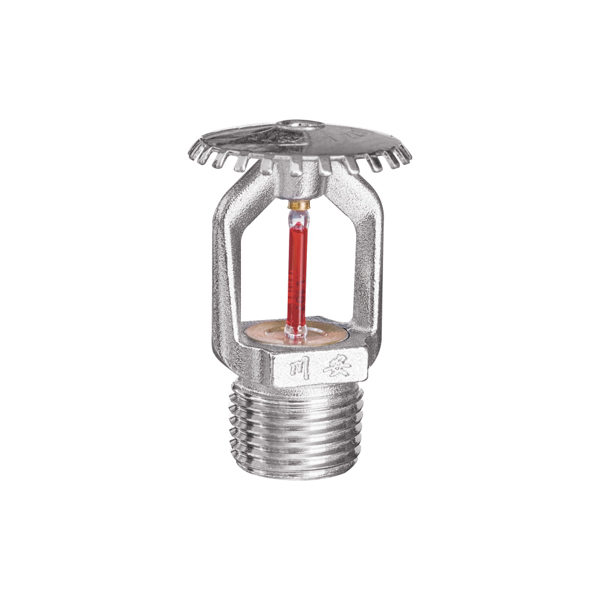
Pendent Sprinkler Head Hangs down from the pipe with the deflector facing the floor. The most common head in buildings with finished ceilings. View Fire Sprinkler Heads → |
 |
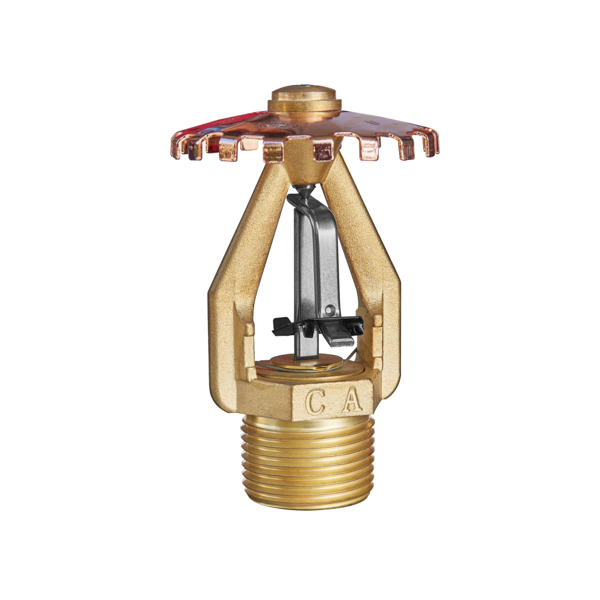
Upright Sprinkler Head Sits on top of the pipe with the deflector facing the ceiling. Used where pipework is exposed — warehouses, car parks, plant rooms. |
 |
Sidewall Sprinkler Head Mounted on a wall and throws water horizontally into the room. Common in corridors, hotel rooms and apartments. |
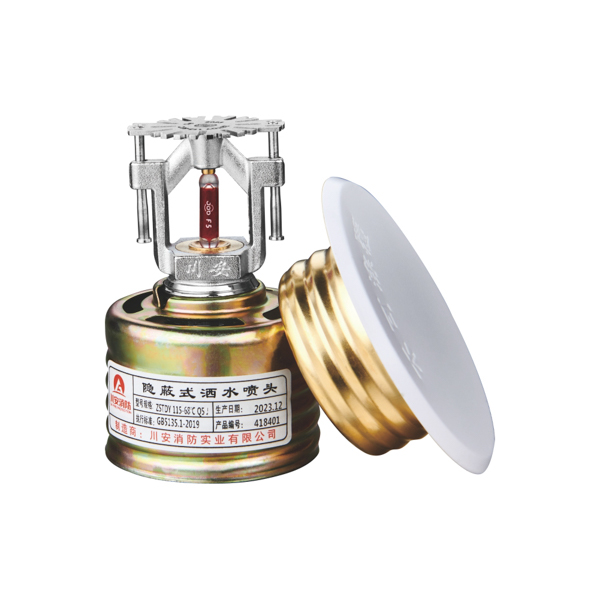 |
Concealed Sprinkler Head Recessed into the ceiling behind a flat cover plate that drops away in a fire. Chosen for hotels, offices and other finished interiors. |
 |
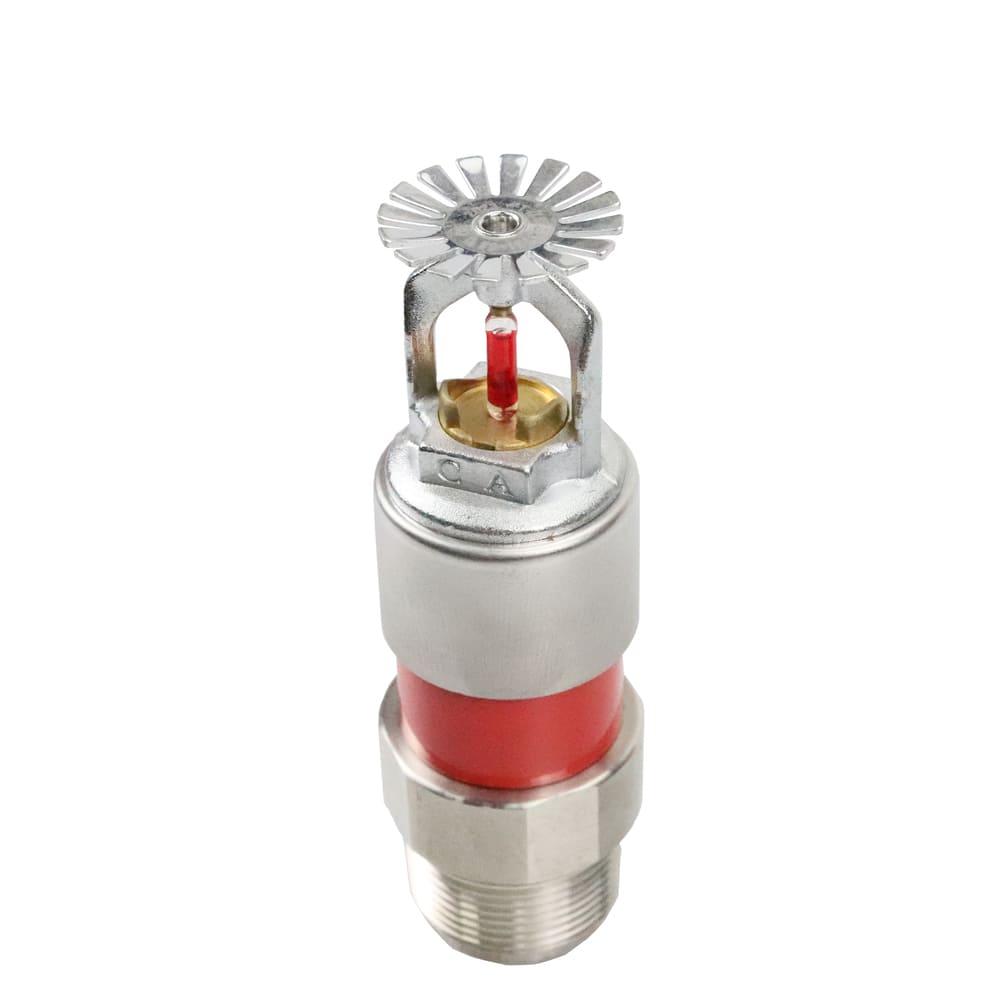
ESFR Sprinkler Early Suppression Fast Response head with a very large K-factor, designed to suppress fires in high-rack warehouse storage. |
 |
Dry Pendent Sprinkler A pendent head on a sealed drop that keeps water out of the exposed section. Used in freezers and unheated spaces. |
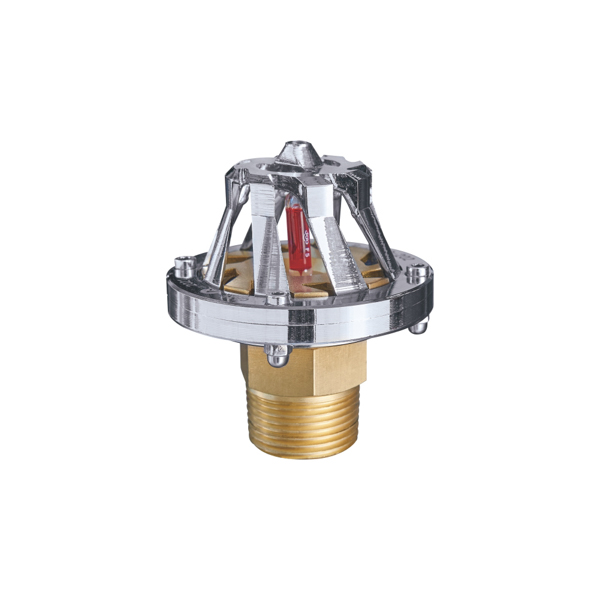 |
Open (Deluge) Sprinkler Nozzle Has no heat element and is always open. Water reaches it only when the deluge valve upstream opens, so the whole zone discharges together. |
2. Sprinkler & Deluge System Valves
The valves that hold water back, release it, isolate the system for maintenance and report flow to the alarm panel.
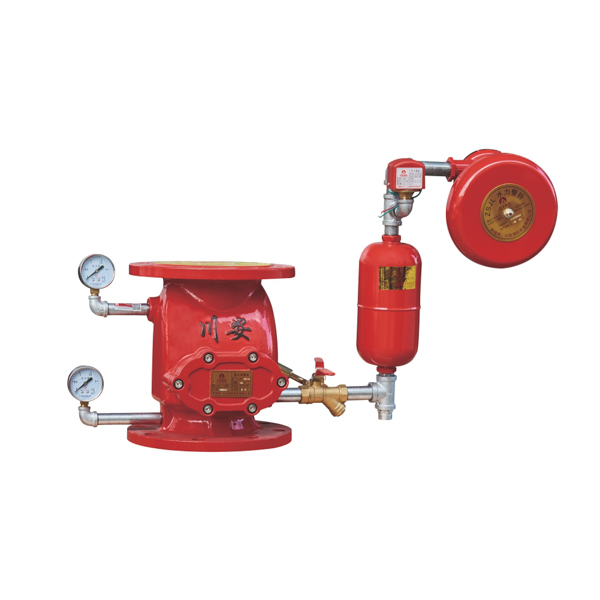 |
Alarm Check Valve One-way clapper valve at the base of a wet-pipe sprinkler riser. It opens when a head operates and drives the water-motor gong and pressure switch. View Alarm Check Valves → |
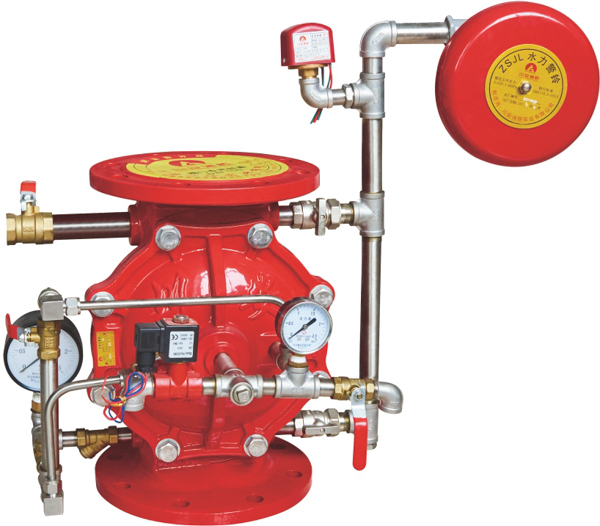 |
Deluge Valve Holds water back from a zone of open nozzles and releases it all at once when a separate detection system signals a fire. View Deluge Valves → |
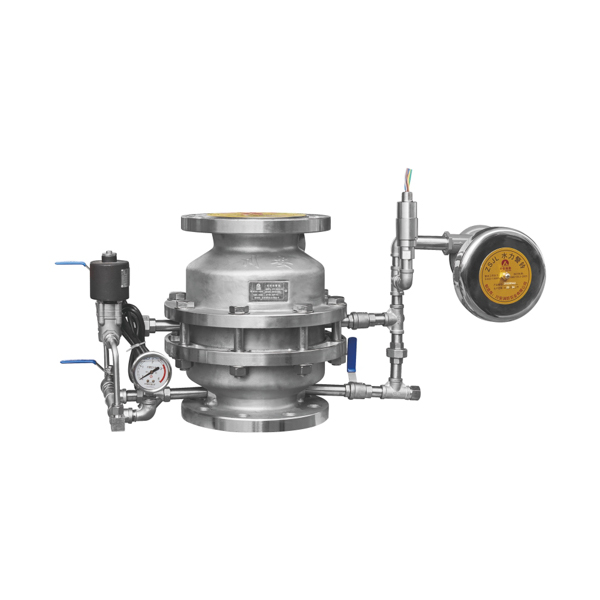 |
Pre-Action Valve Keeps the sprinkler pipework dry until detection confirms a fire, preventing accidental discharge in data centres, archives and museums. View Deluge & Pre-Action Valves → |
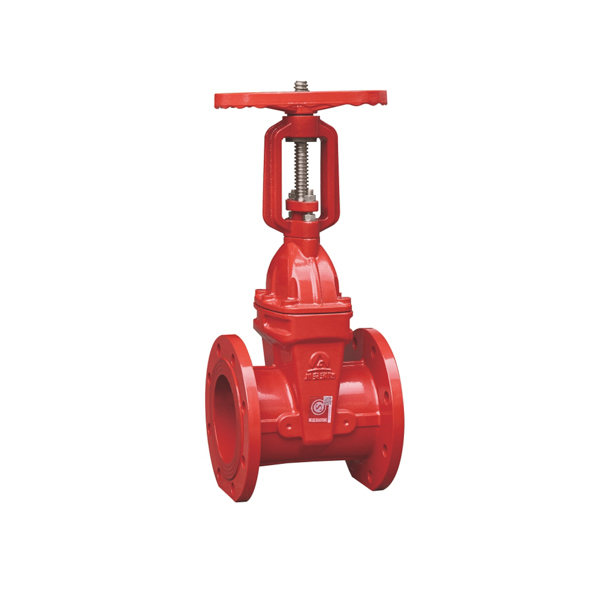 |
OS&Y Gate Valve Outside-screw-and-yoke isolation valve on sprinkler risers and mains. The rising stem shows whether the valve is open or closed. View OS&Y Gate Valve → |
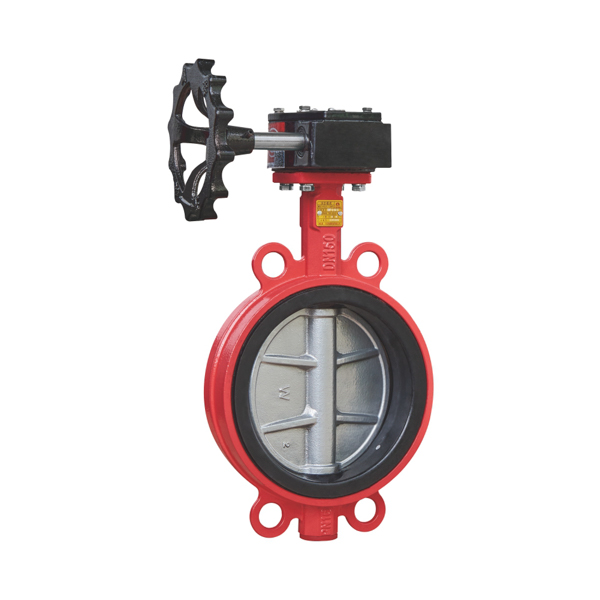 |
Butterfly Valve Compact quarter-turn isolation valve, usually gear-operated with a supervisory switch. Used where space is tight. View Butterfly Valves → |
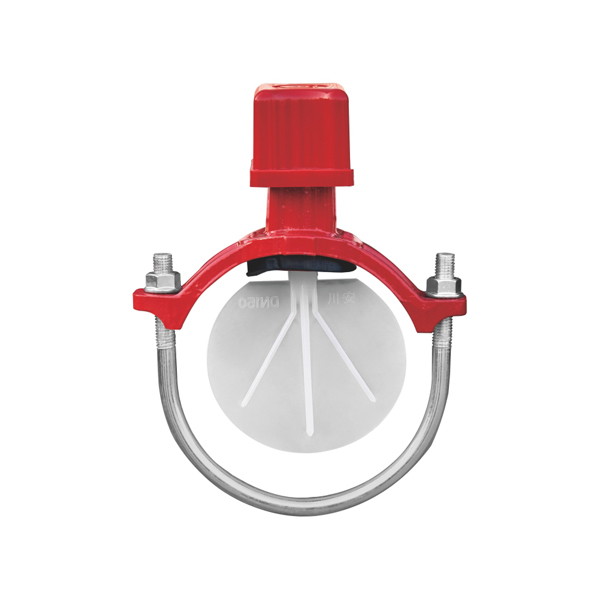 |
Water Flow Indicator Paddle switch clamped onto the pipe that detects water movement and tells the alarm panel which floor or zone is flowing. View Water Flow Indicators → |
3. Hydrants & Water Supply Connections
Fixed connection points that give firefighters water on site, or let the brigade pump water into a building’s system.
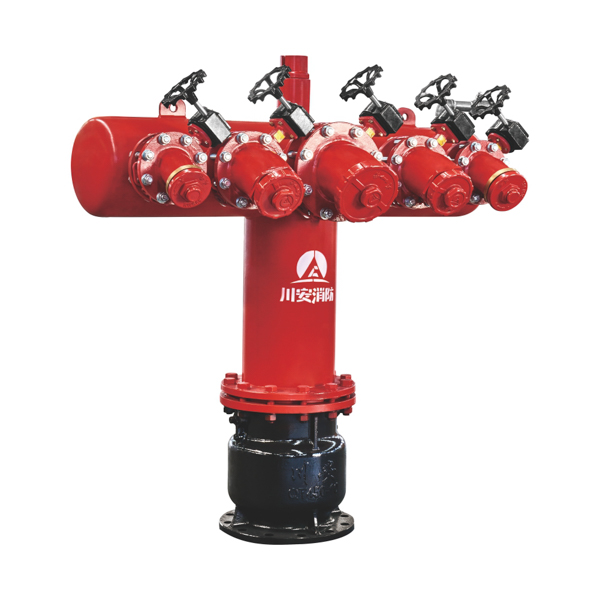 |
Above-Ground (Pillar) Fire Hydrant Pillar hydrant standing above the water main, with outlets the brigade connects hose to. The familiar red street and site hydrant. View Fire Hydrants → |
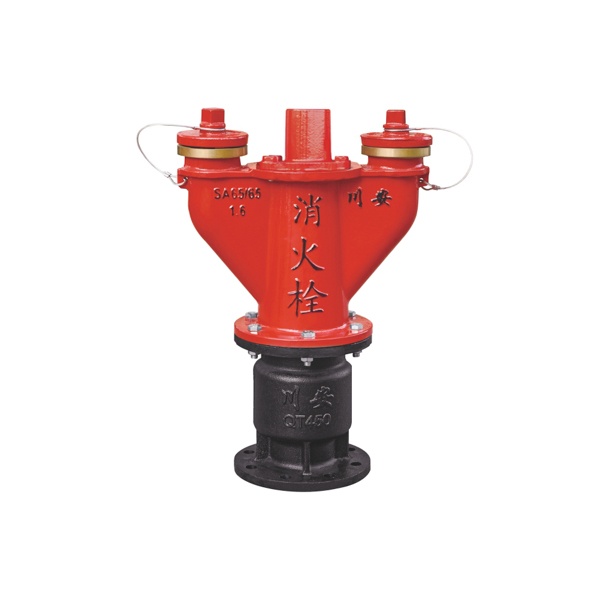 |
Underground Fire Hydrant Installed below ground level in a chamber, which protects it from frost and traffic. Common in cold climates and on roads. |
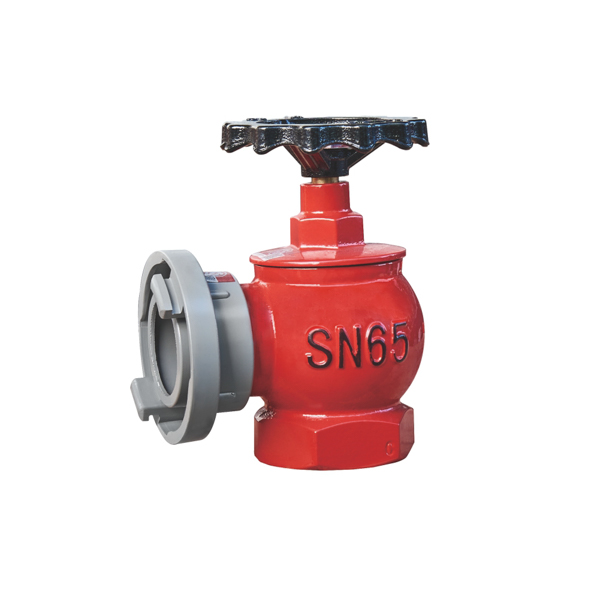 |
Indoor Fire Hydrant (Landing Valve) The valve on each floor of a standpipe, usually inside a hose cabinet, where the hose is connected inside the building. |
 |
Fire Pump Connector (Siamese Connection) Outside inlet that lets a fire engine pump water into the building’s sprinkler or hydrant system. Also called a fire department connection (FDC). |
4. Foam Equipment
Equipment that mixes and delivers firefighting foam for flammable-liquid (Class B) fires at refineries, tank farms and hangars.
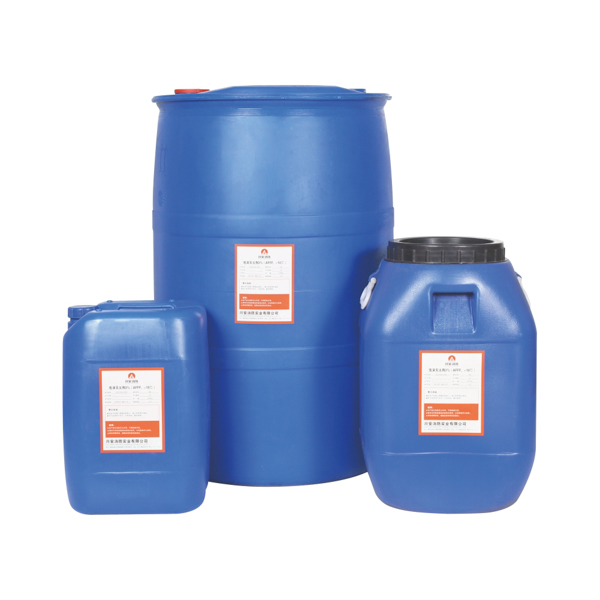 |
AFFF Foam Concentrate Liquid concentrate mixed into water at 3% or 6% to form a foam blanket that smothers burning hydrocarbon liquids. View AFFF Foam Concentrate → |
 |
Foam Bladder Tank Pressure vessel with a rubber bladder inside that proportions foam concentrate into the water stream with no electrical power. View Foam Bladder Tanks → |
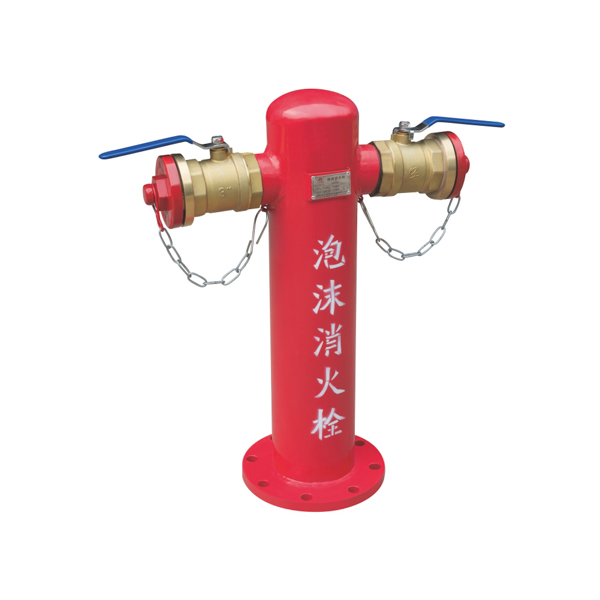 |
Foam Fire Hydrant Hydrant built to deliver pre-mixed foam solution from the supply main, with seals rated for long contact with foam concentrate. View Foam Fire Hydrants → |
5. Hose, Nozzles & Brigade Equipment
Equipment carried or deployed by occupants and fire crews to put water on the fire.
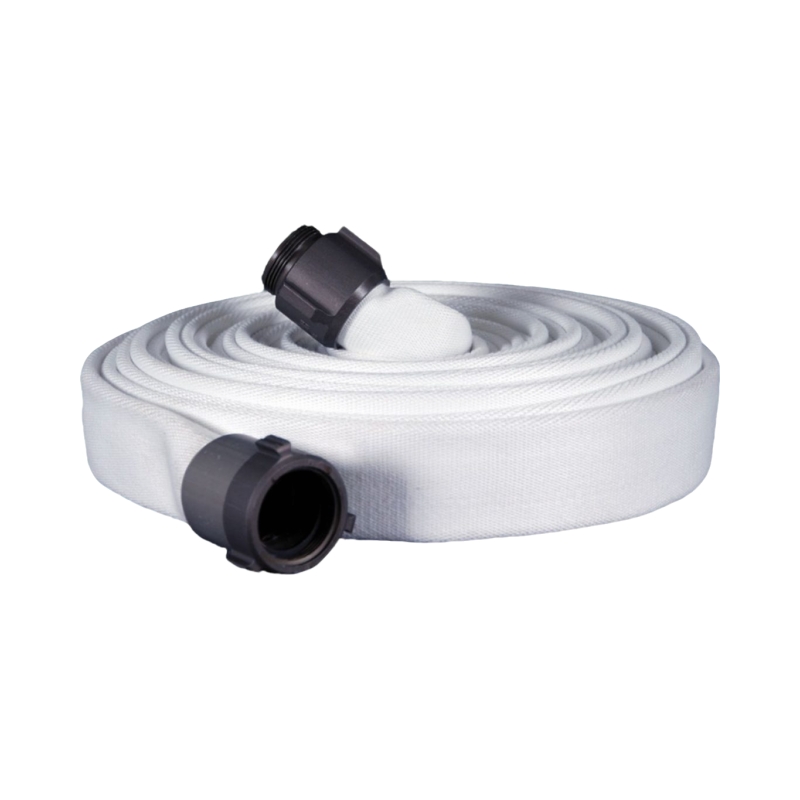 |
Fire Hose Woven-jacket or rubber-covered hose that carries water from the pump or hydrant to the nozzle. Attack, supply, forestry, marine and suction types. View Fire Hose → |
 |
Fire Hose Nozzle Fitted to the end of the hose to shape the stream. Adjustable (shown), jet, fog, foam and piercing types. View Fire Hose Nozzles → |
 |
Fire Monitor (Water Cannon) Large-bore nozzle on a fixed or portable base delivering roughly 20–80 L/s — far more than a handheld nozzle can. View Fire Monitors → |
 |
Storz Coupling Symmetrical quick-connect coupling that joins hose lengths with a quarter turn. BS 336, NH, Machino and GOST are other common standards. View Storz Couplings → |
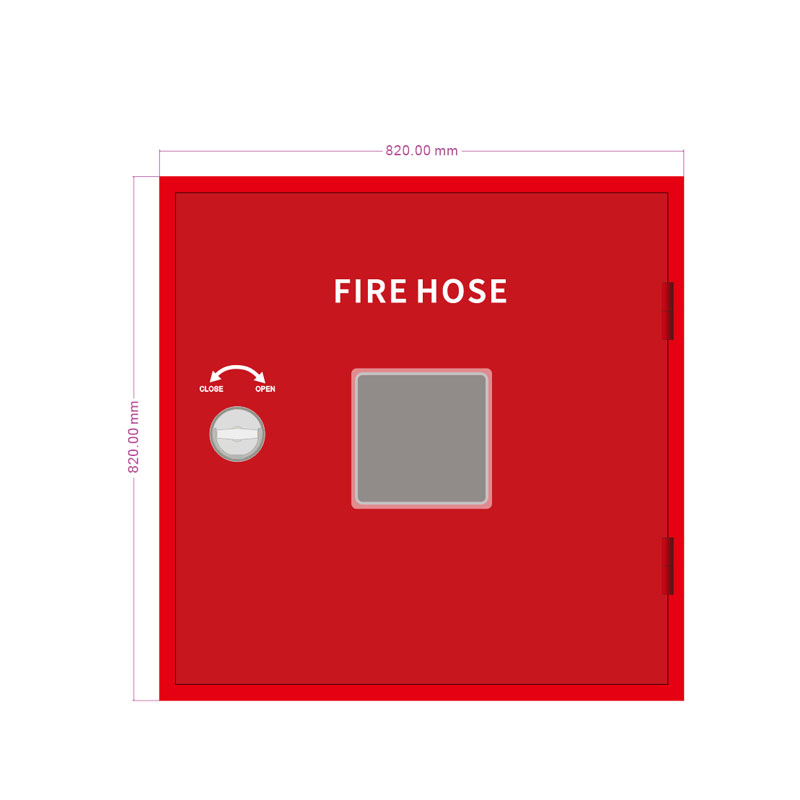 |
Fire Hose Cabinet Wall-mounted or recessed box holding the landing valve, hose, nozzle and often an extinguisher at an indoor hose station. View Fire Hose Cabinets → |
 |
Portable Fire Extinguisher Handheld first-attack device. Shown left to right: dry powder, water-based and CO₂ types, each matched to a different fire class. |
 |
Turnout Gear (Bunker Gear) Protective coat, trousers, helmet and boots worn by structural firefighters. Shown for reference — CA-FIRE does not manufacture PPE. |
Need any of the equipment on this page?
CA-FIRE manufactures 26 of the 27 items above in our Fujian factory — sprinklers, valves, hydrants, foam equipment, hose, nozzles, monitors, couplings, cabinets and extinguishers. Send your equipment list and we will quote it in one go.
sales@ca-fire.com · WhatsApp +86 18150362095 · +86 13400715622 · WeChat 404863577
FAQ
What are the main types of fire fighting equipment shown here?
This glossary covers five groups of suppression equipment: sprinkler heads, sprinkler and deluge system valves, hydrants and water supply connections, foam equipment, and hose, nozzles and brigade equipment. Detection, alarm and escape-route equipment are covered in the Standard Fire Equipment List.
What is the difference between a pendent and an upright sprinkler?
A pendent head hangs below the pipe with its deflector facing down, and is used under finished ceilings. An upright head sits on top of the pipe with its deflector facing up, and is used where the pipework is exposed. The two are not interchangeable — each deflector is shaped for its own orientation. See the full fire sprinkler head range.
What is the difference between a deluge valve and an alarm check valve?
An alarm check valve serves closed sprinkler heads: only the heads that reach their operating temperature discharge, and the valve signals that flow has started. A deluge valve serves open nozzles and releases water to the whole zone when a separate detection system tells it to. Our What Is a Deluge Valve guide explains the difference in detail.
What is the difference between a fire hose nozzle and a fire monitor?
A fire hose nozzle is held by a firefighter on a single hose line. A fire monitor is a large-bore nozzle on a fixed or portable base that delivers roughly 20–80 L/s, for tank farms, warehouses and other high-hazard areas where a handheld line is not enough. See the CA-FIRE fire monitor range.
How do I choose a fire equipment supplier?
Check that certificates can be verified online, ask for a video factory tour and start with a sample order. Our guide on finding a fire equipment supplier in China covers the full due-diligence checklist.
Related CA-FIRE Resources
→ Standard Fire Equipment List — what every building needs, by category
→ Fire Hose Sizes & Types Guide — 1″ to 12″ reference
→ What’s Inside a Fire Hose Cabinet? — the eight core components
→ Fire Nozzle Flow Rate Chart — GPM, LPM, PSI and bar conversions