
Ca fire protection factory

Fire Hydrant — Above Ground, Underground & Pillar Types

CA-FIRE manufactures fire hydrants to Russian, French, BS750, GB and international standards — above-ground pillar types, below-ground flush types, foam series and smart intelligent models. Factory-direct supply to municipal water authorities, industrial plant contractors and fire protection installers in 50+ countries. All models carry ISO 9001 certification and are available in DN50 to DN300 main pipe diameters. Select your type below or contact our engineering team for a project-specific recommendation.

✓ Above-Ground / Pillar Type ✓ Underground / Below-Ground ✓ Russian Standard ✓ BS750 / UK Standard ✓ French Type ✓ Foam Series ✓ Smart / Intelligent ✓ DN50 – DN300 ✓ ISO 9001 · GB · CE
7+
Product Types
5
International Standards
50+
Countries Supplied
1.6MPa
Working Pressure
ISO
9001 Certified

Fire Hydrant Types — Select Your Product

CA-FIRE manufactures seven categories of fire hydrant to international and regional standards. Select the type that matches your project specification, installation environment and applicable standard.
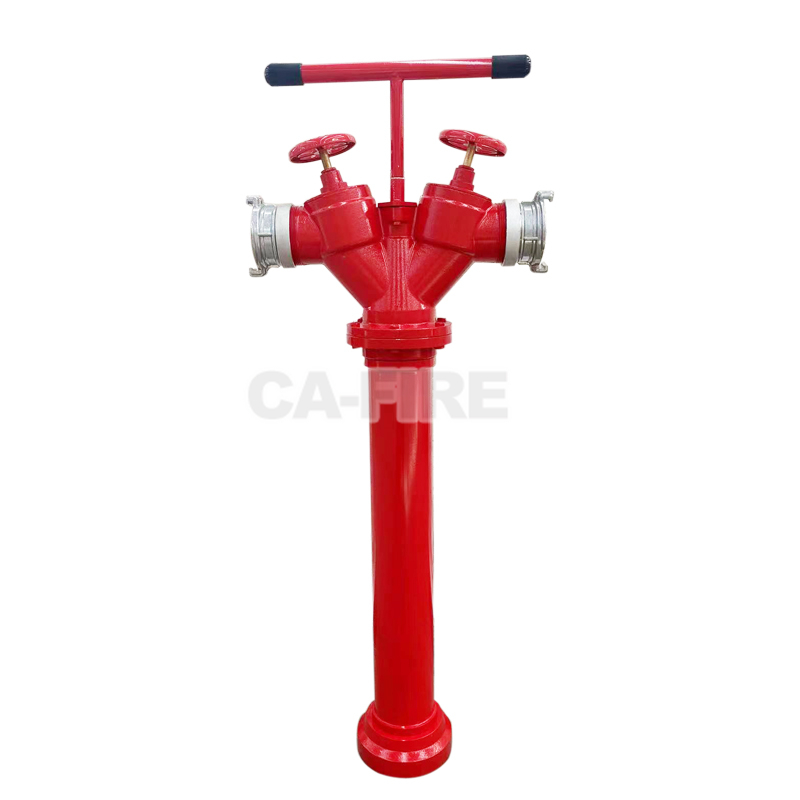
Russian-Standard-Fire-Hydrant-russia-ground-fire-hydrant.jpg
Russian Standard · ГОСТ

Russian Standard Above-Ground Fire Hydrant

Standard: GOST / Russian standard
Main sizes: DN100, DN150
Pressure: 1.0 MPa working
Markets: Russia, CIS, Central Asia, Eastern Europe
View Russian Hydrant →
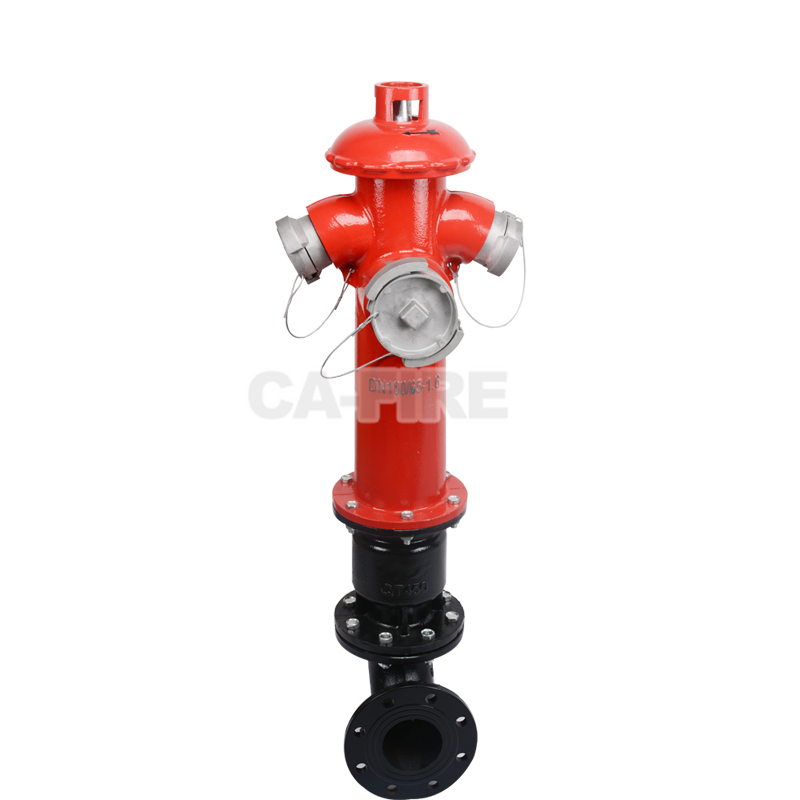
French-Type-Above-Ground-Fire-Hydrant-—-NF-EN-14384-CA-FIRE.jpg
French Type · NF Standard

French Type Above-Ground Fire Hydrant

Standard: French NF / European type
Outlet: 100mm DN100
Pressure: 1.6 MPa working
Markets: France, Francophone Africa, Middle East
View French Hydrant →
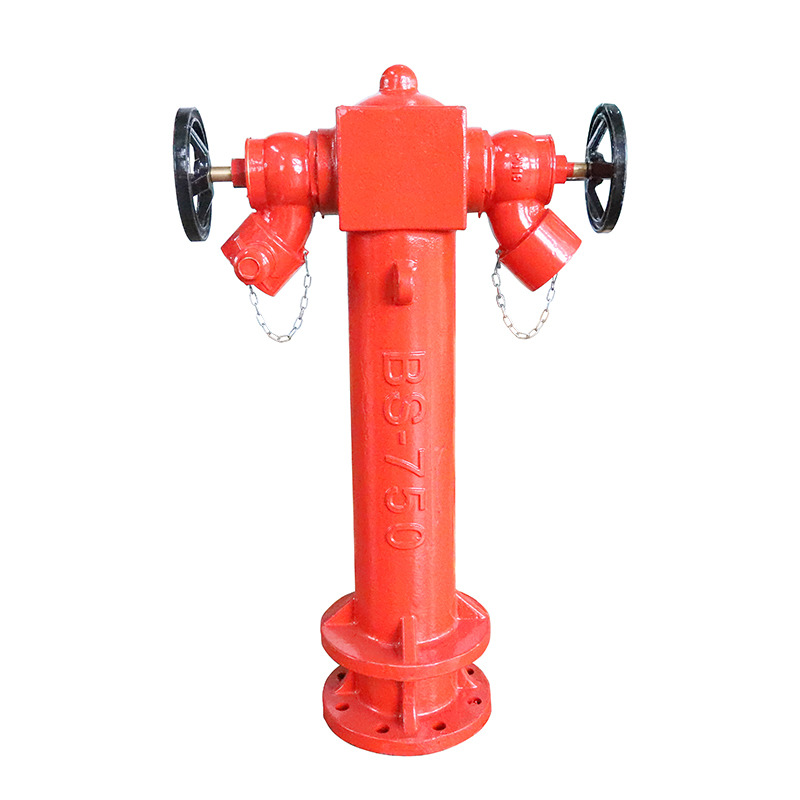
BS750-Above-Ground-Fire-Hydrant-—-BS-EN-14384-2½″-Instantaneous-CA-FIRE.jpg
BS750 · UK Standard

BS750 Above-Ground Fire Hydrant — UK & Commonwealth Standard

Standard: BS750 (British Standard)
Outlet: 2½″ instantaneous coupling
Pressure: 1.6 MPa working
Markets: UK, Australia, South Africa, Commonwealth
View BS750 Hydrant →
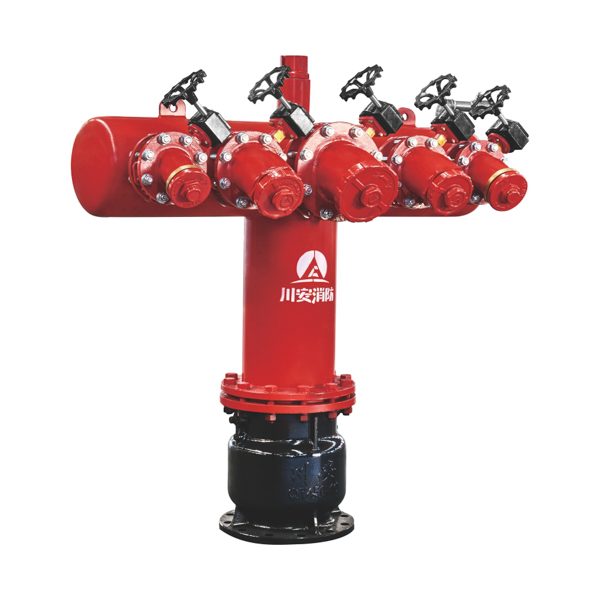
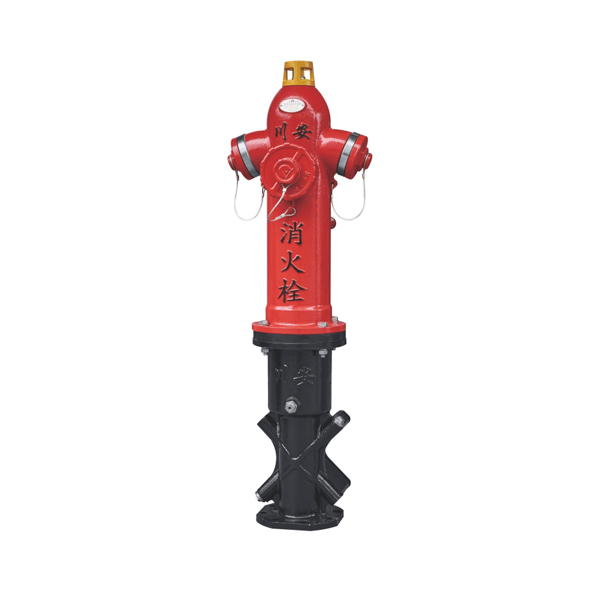
Above-Ground-Fire-Hydrant-—-Standard-Anti-Impact-Large-Flow-Series-CA-FIRE.jpeg
GB Standard · Above-Ground Series

Above-Ground Fire Hydrant — Standard, Anti-Impact & Large-Flow Series

Standard: GB (Chinese national standard)
Sizes: DN100 / DN150 / DN200 / DN250 / DN300
Variants: Standard · Anti-impact · Large-flow · Extended-height
Pressure: 1.6 MPa working
View Above-Ground Series →
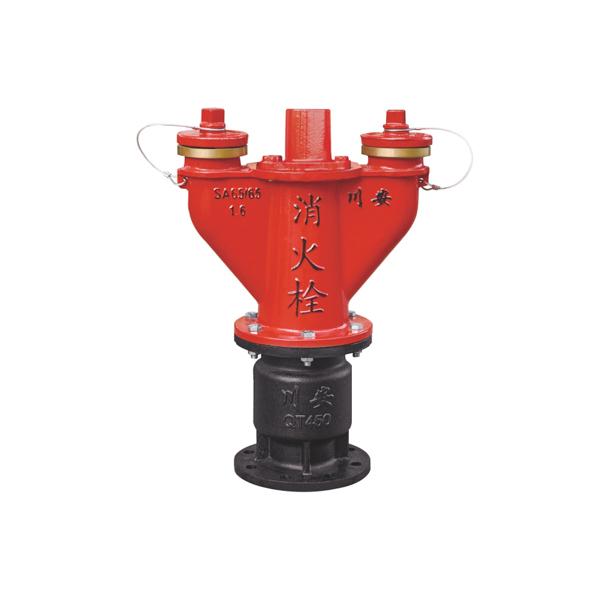
Underground-Fire-Hydrant-—-Frost-Protected-Dual-Outlet-Pressure-Regulating-Series-CA-FIRE.jpeg
Below-Ground · Underground Series

Underground Fire Hydrant — Flush, Frost-Protected & Pressure-Regulating Series

Standard: GB · SA100/65-1.6
Variants: Simple · Standard · Dense-pitch · Frost-protected · Dual-65 · Pressure-regulating · Pressure-stabilising
Installation: Below-ground flush with surface
View Underground Series →
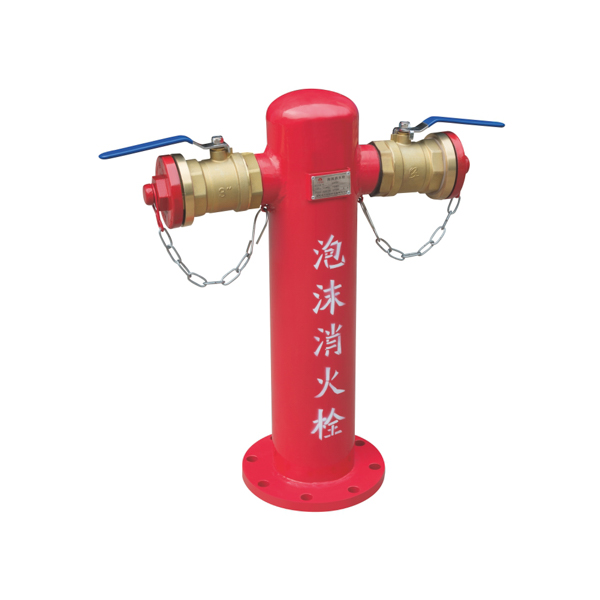
Foam-Fire-Hydrant-—-Chemical-Plant-Refinery-Hangar-Series-CA-FIRE.jpeg
Foam Series · Industrial Hazard

Foam Fire Hydrant — Chemical Plant, Refinery & Hangar Series

Type: Outdoor foam hydrant with foam/water dual outlet
Variants: Standard · Anti-impact · Anti-impact pressure-regulating
Applications: Petrochemical · Oil storage · Aircraft hangars
View Foam Hydrant →
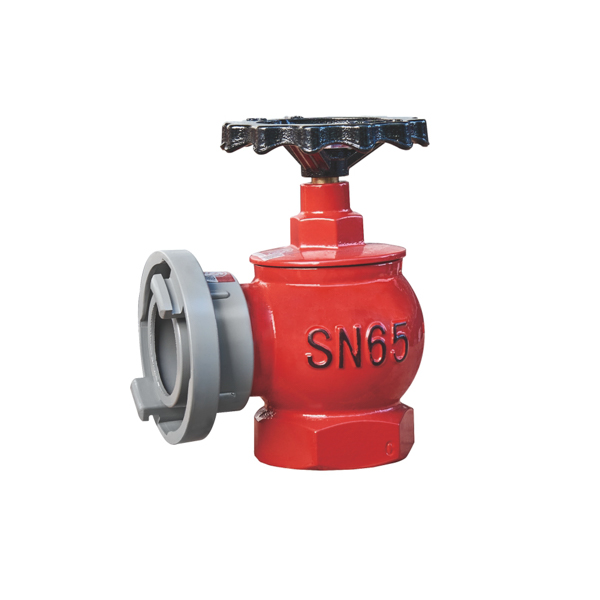
https://ca-fire.com/wp-content/uploads/2026/03/Indoor-Fire-Hydrant-—-Straight-Swivel-Pressure-Reducing-Stainless-Steel-Series-CA-FIRE.jpeg
Indoor Series · GB 3445-2018

Indoor Fire Hydrant — Straight, Swivel, Pressure-Reducing & Stainless Steel Series

Type: Wall-mounted valve for fire hydrant cabinet (消火栓箱)
Variants: Straight · Swivel · PR Grade I/II/III · Self-Rescue Reel · Stainless Steel
Applications: High-rise · Hotels & malls · Factories · Marine vessels
View Indoor Hydrant →
Smart-Fire-Hydrant-—-IoT-Flow-Metering-Lock-Control-Series-CA-FIRE.jpeg
Smart Series · IoT Enabled

Smart Fire Hydrant — Flow-Monitoring & Lock-Control Intelligent Series

Type: IoT-enabled fire hydrant with remote monitoring
Variants: Flow-monitoring type · Lock-control flow-monitoring type
Applications: Smart city · Municipal water management

View Foam Hydrant →

Fire Hydrant Specifications — Quick Comparison

All CA-FIRE fire hydrants are factory-tested to their applicable standard before despatch. Use this table to confirm which type matches your project's installation environment, applicable standard and pressure requirement.

Parameter Russian Standard French Type BS750 (UK) Above-Ground GB Underground Foam Series
Installation Type Above-ground Above-ground Above-ground Above-ground Below-ground Above-ground
Applicable Standard GOST (Russian) NF (French) BS750 (UK) GB (Chinese) GB / SA100/65 GB (Chinese)
Working Pressure 1.0 MPa 1.6 MPa 1.6 MPa 1.6 MPa 1.6 MPa 1.6 MPa
Main Pipe Size DN100 / DN150 DN100 DN100 DN100–DN300 DN100 / DN150 DN100 / DN150
Outlet Type 65mm × 2 100mm × 1 2½″ instantaneous 100mm + 65mm × 2 100mm + 65mm × 2 Foam + water dual
Body Material Ductile iron Ductile iron Ductile iron Ductile iron Ductile iron Ductile iron
Anti-impact Option
Pressure Regulating
Frost Protection ✓ Available
Primary Markets Russia / CIS France / Africa UK / Commonwealth Asia / Global Asia / Global Industrial global
View Product View → View → View → View → View → View →

Above-Ground vs. Underground Fire Hydrant — Which to Specify?

The most fundamental selection decision in fire hydrant specification is installation type. Both above-ground and underground hydrants connect to the same water main, but serve different operational environments and local authority requirements:

Parameter Above-Ground Fire Hydrant Underground Fire Hydrant
Visibility ✓ Immediately visible — faster location in emergency Flush with ground surface — requires marker post or sign to locate
Traffic Clearance Protrudes above ground — requires clearance zone, vehicle impact risk ✓ No protrusion — safe in vehicle traffic areas, roads, car parks
Frost Resistance Exposed to ambient temperature — drainage required in cold climates ✓ Frost-protected models available — suit sub-zero environments
Access for Fire Crew ✓ Direct hose connection — standpipe not required Requires standpipe adaptor for hose connection — adds to response time
Maintenance ✓ Easy visual inspection — accessible above ground Requires excavation access to inspect internals — higher maintenance effort
Typical Application Industrial plant, refinery, petrochemical, residential roads, rural areas Urban roads, pedestrian areas, airport aprons, car parks, cold climate cities
Standards Available Russian GOST · French NF · BS750 · GB standard · Foam series GB standard · SA100/65 · Multiple variants
CA-FIRE Products Russian · French · BS750 · GB Above-Ground · Foam Series
View Above-Ground Series →
7 variants — simple / standard / frost-protected / pressure-regulating
View Underground Series →

Fire Hydrant Applications — Where CA-FIRE Hydrants Are Installed

CA-FIRE fire hydrants are specified and installed across a full range of municipal, industrial and infrastructure applications. Each environment has distinct installation, standard and performance requirements — select the application closest to your project to find the recommended type.

🏙️

Municipal Water Supply Networks

Urban and suburban road networks, residential districts and public spaces. Hydrants connect to the pressurised municipal water main and provide fire service access points throughout the distribution network.

Recommended: Above-Ground GB Series · Underground Series
🏭

Industrial Plants & Manufacturing Facilities

Factory compounds, logistics parks and heavy manufacturing sites. Above-ground pillar hydrants positioned along internal access roads and at building perimeters, spaced per NFPA 24 or local standard maximum hose lay distances.

Recommended: Above-Ground Anti-Impact Series
⚗️

Petrochemical Plants & Oil Storage Terminals

Refineries, tank farm perimeters and chemical processing units require hydrants capable of delivering both water and foam concentrate. Anti-impact design protects against vehicle collision in congested process areas.

Recommended: Foam Fire Hydrant Series
✈️

Airports & Aircraft Hangars

Airside apron areas, aircraft maintenance hangars and fuel storage compounds. Foam hydrants provide immediate first-response foam capability; anti-impact variants protect against ground support vehicle collisions on active apron surfaces.

Recommended: Foam Fire Hydrant — Anti-Impact
🧊

Cold Climate & Sub-Zero Environments

Northern cities, high-altitude locations and regions with sustained sub-zero winters require frost-protected hydrant designs that drain automatically after each use, preventing ice formation in the barrel and outlet ports.

Recommended: Underground Frost-Protected Series
🌍

Export & International Projects

Projects in Russia, France, the UK, Commonwealth countries and Francophone Africa require hydrants certified to local national standards. CA-FIRE manufactures to GOST, NF, BS750 and GB standards — confirm your applicable standard at enquiry stage.

Recommended: Russian · French · BS750

Frequently Asked Questions — Fire Hydrant

Common questions from engineers, project managers and procurement teams specifying fire hydrants for municipal, industrial and infrastructure projects.

What are the different types of fire hydrants?

Fire hydrants are classified primarily by installation type and applicable standard. By installation: above-ground (pillar) hydrants protrude above the ground surface for direct hose connection; underground (below-ground) hydrants are installed flush with the ground surface and require a standpipe adaptor for fire service connection.

By standard: Russian standard (GOST) for Russia and CIS markets; French type (NF) for France and Francophone markets; BS750 for UK and Commonwealth countries; GB standard for China and international projects. By special application: foam fire hydrants for chemical and petroleum hazards; smart fire hydrants with IoT flow monitoring for smart city applications. CA-FIRE manufactures all six types — see the comparison table above for a full specification breakdown.

What is the difference between above-ground and underground fire hydrants?

The key differences are visibility, traffic clearance and frost resistance. Above-ground fire hydrants are immediately visible, allow direct hose connection without equipment, and are easier to inspect and maintain — but they protrude above the surface and are vulnerable to vehicle impact. They are standard in industrial plants, refinery perimeters and many export markets.

Underground fire hydrants are flush-mounted below the ground surface — they create no obstruction to vehicle traffic and are preferred in urban roads, pedestrian areas, airport aprons and cold climates where frost-protected designs prevent ice formation in the barrel. A standpipe is required to access the outlet for hose connection. See the underground fire hydrant page for the full range of GB variants including frost-protected and pressure-regulating models.

Which fire hydrant standard should I specify — Russian, BS750, French or GB?

The applicable standard is determined by the country or authority having jurisdiction (AHJ) over the project. As a general guide:

Russian GOST standard: Russia, Belarus, Kazakhstan, Ukraine and other CIS / former Soviet states. Specify the Russian standard fire hydrant.
French NF standard: France, Francophone Africa (Senegal, Ivory Coast, Morocco, etc.) and French-influenced Middle East projects. Specify the French type fire hydrant.
BS750 standard: United Kingdom, Australia, New Zealand, South Africa, Hong Kong and most Commonwealth countries. Specify the BS750 above-ground fire hydrant.
GB standard: China and projects specifying Chinese national standard. Specify the above-ground GB series or underground series.

If uncertain, CA-FIRE's engineering team can confirm the applicable standard for your project country — contact us with the project location and authority details.

How much do fire hydrants cost? What affects the price?

Fire hydrant price varies by type, specification and order quantity. Key factors affecting cost include: body material (ductile iron vs cast iron vs stainless steel), pipe diameter (DN100 to DN300), applicable standard and certification requirement, special features (anti-impact collar, pressure regulator, frost-protection drain mechanism), and whether factory test certification documentation is required for authority submission.

CA-FIRE supplies fire hydrants for sale factory-direct — eliminating distributor margin and enabling competitive pricing for project quantities from single units to container loads. Contact us with your specification — model type, quantity, DN size and applicable standard — for an accurate price quotation within one business day.

What are the key requirements for fire hydrant installation?

Fire hydrant installation requirements vary by standard and project type, but common requirements include: minimum working pressure at the hydrant (typically 0.7–1.0 bar residual at full flow); maximum hose lay distance between hydrants (typically 70–120 m depending on standard); clearance zone around above-ground hydrants to prevent vehicle obstruction; and connection to an adequately sized water main (typically DN100 minimum for a single hydrant).

For above-ground pillar hydrants, the hydrant centreline should be positioned 0.5–1.0 m from the kerb and at least 0.5 m clear of any wall or obstruction. For underground hydrants, the surface box must be set to finished ground level and clearly marked with a hydrant sign or marker post per the applicable local authority requirement. CA-FIRE supplies installation guidelines and technical drawings with every order.

Get a Quote — Fire Hydrant

Above-Ground · Underground · Russian / BS750 / French / GB Standards
Foam Series · Smart Series · DN50–DN300 · Factory-Direct · 50+ Countries · ISO 9001

sales@ca-fire.com WhatsApp: +86 18150362095 +86 13400715622 WeChat: 404863577
Send Inquiry →
Scroll to Top