PT Series Foam Sprinkler – Professional Foam Water Sprinkler & Foam Sprinkler Head for Oil, Chemical & Industrial Fire Safety
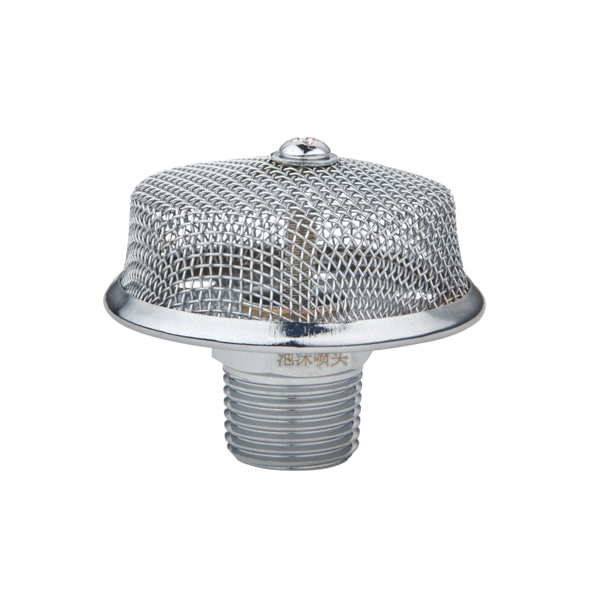
At CA-fire Protection Co., Ltd., we take pride in offering a complete lineup of high-quality foam water sprinkler products designed to meet the rigorous demands of global industrial fire safety standards. Our PT series, which includes models PT 15, PT 25, PT 32, PT 40, PT 50, and PT 65, is meticulously crafted to deliver consistent, reliable performance in even the most challenging environments. Each foam sprinkler head in this series is built with industrial-grade materials, precision engineering, and a focus on durability, ensuring long service life and uncompromising fire suppression capabilities.
What Is a Foam Sprinkler & How Does It Work?
Basic Definition of a Foam Sprinkler
A foam sprinkler is a specialized fire suppression device designed to generate and distribute fire-fighting foam by mixing water, foam concentrate, and air. Unlike standard water sprinklers, which only disperse water to cool the fire, a foam water sprinkler creates a dense, stable foam blanket that acts as a multi-functional fire suppression tool. This foam blanket serves four critical purposes in extinguishing flammable liquid fires: it cools the burning fuel and surrounding surfaces to below the ignition temperature, isolates the fuel from oxygen (a key component of combustion), suppresses the release of flammable vapors that can feed the fire, and forms a barrier that prevents re-ignition once the fire is extinguished. These capabilities make foam sprinkler systems essential in environments where water-based suppression alone is ineffective or insufficient.
The foam sprinkler head is the key component of this system, responsible for mixing the water-foam concentrate solution with air and distributing the resulting foam evenly over the protected area. Each head is engineered with precision to ensure optimal foam quality, coverage, and stability, even under varying pressure conditions. Depending on the specific application and system design, foam sprinkler heads can be configured as open-type (activated by a control valve in response to a fire alarm) or closed-type (activated by a heat-sensitive element, such as a glass bulb or fusible link, similar to standard water sprinklers).
Working Principle of a Foam Water Sprinkler
The operation of a foam sprinkler system is a carefully orchestrated process that relies on precise mixing of components and efficient distribution of foam. While the exact details may vary slightly based on system design (e.g., fixed, semi-fixed, or mobile), the core working principle remains consistent across all our PT series foam sprinkler products:
-
System Activation: In the event of a fire, the fire detection system (which may include smoke detectors, heat detectors, or flame detectors) triggers an alarm, and the control valve for the foam sprinkler system opens. For closed-type foam sprinkler heads, the heat from the fire will also activate the heat-sensitive element (e.g., a 68°C glass bulb), which shatters to release the foam mixture.
-
Water Flow Initiation: Pressurized water from the facility’s fire water supply flows into the foam sprinkler system’s pipeline network. The water pressure is carefully regulated to ensure optimal performance of the foam sprinkler heads and mixing equipment.
-
Foam Concentrate Mixing: As the water flows through the system, it passes through a foam proportioner or mixing device, which injects the appropriate amount of foam concentrate into the water stream. The mixing ratio (typically 1-6%, depending on the type of foam concentrate and fire hazard) is precisely controlled to ensure the formation of high-quality foam.
-
Foam Generation: The water-foam concentrate mixture then travels through the pipeline to the foam sprinkler heads. As the mixture exits the head, it interacts with air, which is drawn into the stream through specially designed ports or deflectors. This interaction creates a fine, uniform foam with the desired expansion ratio (the ratio of foam volume to the volume of the water-foam concentrate mixture).
-
Foam Distribution: The foam is sprayed from the foam sprinkler head in a controlled pattern, covering the protected area evenly. The deflector inside each head is engineered to ensure a wide coverage radius and uniform distribution, eliminating dead spots and ensuring that the entire hazard area is covered with a continuous foam blanket.
-
Fire Suppression: The foam blanket quickly settles on the surface of the burning fuel, cooling it to below the ignition temperature, isolating it from oxygen, and suppressing the release of flammable vapors. This multi-pronged approach effectively extinguishes the fire and prevents re-ignition, minimizing damage to facilities and equipment.
This reliable, efficient process ensures that our foam sprinkler systems provide rapid, effective fire suppression when every second counts, making them an essential investment for high-hazard industrial environments.
Full Model Range & Technical Specifications of Our Foam Sprinkler
We understand that industrial fire protection requirements vary widely based on factors such as facility size, hazard type, fuel load, and pipeline configuration. To meet these diverse needs, we offer a complete range of foam sprinkler models in our PT series, each designed to deliver specific flow rates, coverage areas, and performance characteristics. All models are manufactured in strict compliance with international fire safety standards, including NFPA 11 (Standard for Low-, Medium-, and High-Expansion Foam), FM Approval, and ISO 9001:2015, ensuring compatibility with global industrial projects.
PT Series Foam Sprinkler Head – Standard Technical Parameters
The following table provides detailed technical specifications for each model in our PT series, including nominal flow rate, connection size, material options, and ideal applications. These parameters are designed to help you select the right foam sprinkler for your specific project requirements:
|
Model
|
Nominal Flow Rate (L/min at 0.1MPa)
|
Connection Size (DN / NPT)
|
Material Options
|
Working Pressure Range (MPa)
|
Coverage Radius (m)
|
Ideal Applications
|
|---|---|---|---|---|---|---|
|
PT 15
|
15-25
|
DN15 / 1/2″
|
Brass, Alloy
|
0.1-1.2
|
2.5-3.5
|
Small oil storage areas, workshops, small chemical cabinets
|
|
PT 25
|
25-40
|
DN20 / 3/4″
|
Brass, Alloy
|
0.1-1.2
|
3.0-4.0
|
Chemical warehouses, small processing plants, pump rooms
|
|
PT 32
|
40-60
|
DN25 / 1″
|
Brass, Stainless Steel
|
0.1-1.6
|
3.5-4.5
|
Tank farms (small to medium tanks), refinery auxiliary areas
|
|
PT 40
|
60-80
|
DN32 / 1-1/4″
|
Brass, Stainless Steel
|
0.1-1.6
|
4.0-5.0
|
Refineries, fuel depots, large chemical warehouses
|
|
PT 50
|
80-120
|
DN40 / 1-1/2″
|
Stainless Steel, Alloy Steel
|
0.1-2.0
|
4.5-5.5
|
Large tank farms, chemical processing plants, power station fuel areas
|
|
PT 65
|
120-180
|
DN50 / 2″
|
Stainless Steel, Alloy Steel
|
0.1-2.0
|
5.0-6.0
|
Heavy industrial hazard zones, large-scale oil storage facilities, aircraft hangars
|
Additional Specifications for All PT Series Models
In addition to the model-specific parameters listed above, all our foam sprinkler heads share the following core specifications, ensuring consistent quality and performance across the entire product line:
-
Foam Compatibility: Compatible with all common fire-fighting foam concentrates, including protein foam, film-forming foam (AFFF), alcohol-resistant film-forming foam (AR-AFFF), and fluoroprotein foam. This versatility allows our foam sprinkler systems to be used with the foam concentrate best suited for the specific fire hazard.
-
Activation Type: Available in both open-type (for deluge systems) and closed-type (heat-activated) configurations. Closed-type models are equipped with a 68°C red glass bulb (standard) or optional 74°C, 93°C, or 141°C bulbs for high-temperature environments.
-
Foam Expansion Ratio: Designed to generate medium-expansion foam (20:1 to 100:1), which is ideal for most industrial applications. High-expansion foam options are available upon request for specialized applications.
-
Operating Temperature Range: -4°C to 65°C (-20°F to 149°F), ensuring reliable performance in both cold and hot industrial environments.
-
Certifications: All models are NFPA 11 compliant, FM Approved (where applicable), and ISO 9001:2015 certified, ensuring compliance with global fire safety codes and standards.
-
Service Life: 10-15 years under normal operating conditions, thanks to the use of high-quality, corrosion-resistant materials and rigorous quality control during manufacturing.
Core Advantages of Our Foam Sprinkler Systems
Our PT series foam sprinkler products are engineered to outperform competitors in terms of efficiency, durability, versatility, and ease of use. We have incorporated decades of fire protection expertise into every design, ensuring that our foam water sprinkler systems deliver reliable performance when it matters most. Below are the key advantages that set our foam sprinkler head products apart from the competition:
1. Efficient Foam Generation for Maximum Fire Suppression
The precision-engineered design of our foam sprinkler heads ensures optimal mixing of water, foam concentrate, and air, resulting in high-quality, stable foam with consistent expansion ratios. The foam produced is fine and uniform, with a high bubble density that creates a durable blanket that resists breaking even in windy conditions or high temperatures. This efficient foam generation maximizes fire suppression effectiveness, allowing the foam to quickly cover the fuel surface, cool the fire, and prevent re-ignition. Unlike inferior foam sprinkler heads that produce uneven or unstable foam, our products deliver consistent performance, ensuring that every square meter of the protected area is covered with a reliable foam barrier.
2. Wide Coverage & Uniform Distribution to Eliminate Dead Spots
Each foam sprinkler head in our PT series is equipped with a specially designed deflector that is engineered to distribute foam evenly over a wide coverage area. The deflector’s unique shape and angle ensure that the foam is sprayed in a controlled, uniform pattern, with a coverage radius that is optimized for the model’s flow rate and pressure rating. This uniform distribution eliminates dead spots in the protected area, which are common with poorly designed foam sprinkler heads and can lead to fire spread. Whether you are protecting a small workshop or a large tank farm, our foam sprinkler systems ensure that every part of the hazard area is covered, minimizing the risk of fire escalation.
3. Industrial-Grade, Corrosion-Resistant Materials for Long Service Life
Industrial environments are often harsh, with exposure to humidity, chemicals, saltwater (in coastal areas), and extreme temperatures—all of which can damage inferior foam sprinkler heads. To address this, we construct our foam sprinkler heads using high-quality, corrosion-resistant materials, including brass, stainless steel, and alloy steel. These materials are carefully selected for their strength, durability, and resistance to corrosion, ensuring that our products can withstand the toughest industrial conditions. The use of these premium materials extends the service life of our foam sprinkler systems to 10-15 years, reducing replacement costs and minimizing downtime for maintenance. Additionally, all metal components are treated with a protective coating to further enhance corrosion resistance, ensuring long-term reliability.
4. Stable Performance Under Varying Pressure Conditions
Industrial fire water supply systems often experience fluctuations in pressure, which can affect the performance of foam sprinkler heads. Our PT series foam sprinkler products are designed to maintain stable flow rates and foam quality within a wide working pressure range (0.1-2.0 MPa, depending on the model). This means that even if the system pressure fluctuates slightly due to changes in water demand or supply, our foam sprinkler heads will continue to generate high-quality foam and distribute it evenly over the protected area. This stability is critical in emergency situations, where consistent performance can mean the difference between containing a fire and allowing it to spread.
5. Easy Installation & Low Maintenance to Reduce Costs
We understand that installation and maintenance costs are important considerations for industrial projects. That is why our foam sprinkler heads are designed with ease of installation in mind. All models feature standard threaded connections that are compatible with most industrial fire pipelines, eliminating the need for custom adapters or modifications. The compact, lightweight design of our foam sprinkler heads also simplifies installation, reducing labor time and costs. In terms of maintenance, our products require minimal upkeep—only quarterly visual inspections and annual system testing are needed to ensure optimal performance. The heat-sensitive elements (in closed-type models) are easy to replace, and the corrosion-resistant materials reduce the risk of damage or blockage, further minimizing maintenance costs over the life of the system.
6. Versatility to Suit Diverse Industrial Applications
Our PT series foam sprinkler systems are highly versatile, with a complete range of models that can be tailored to suit almost any industrial fire protection application. Whether you need a small, low-flow foam sprinkler for a workshop or a high-flow model for a large tank farm, we have a solution that meets your needs. Additionally, our foam sprinkler heads are compatible with all common foam concentrates, allowing you to select the type of foam that is best suited for the specific fire hazard (e.g., AFFF for hydrocarbon fires, AR-AFFF for alcohol-based fires). This versatility makes our foam water sprinkler systems an ideal choice for a wide range of industries, including oil and gas, chemical, power generation, manufacturing, and logistics.
7. Compliance with Global Fire Safety Standards
When it comes to industrial fire protection, compliance with international standards is non-negotiable. All our foam sprinkler products are manufactured in strict compliance with NFPA 11, FM Approval, and ISO 9001:2015 standards, ensuring that they meet the highest safety requirements for global industrial projects. This compliance simplifies the permitting process for your project and provides peace of mind that your fire protection system is designed to perform in accordance with industry best practices. Additionally, our products are tested rigorously during manufacturing, including hydrostatic pressure tests, foam quality tests, and activation tests, to ensure that they meet or exceed all standard requirements.
Main Applications of Foam Sprinkler Systems
Foam sprinkler systems are specifically designed to protect environments where flammable liquids are stored, processed, or used—settings where water-based fire suppression systems are ineffective. Our PT series foam water sprinkler products are widely used across a range of industries, each with unique fire safety challenges. Below are the key application areas where our foam sprinkler head systems excel, along with details on how they address the specific hazards of each industry:
1. Oil & Gas Industry
The oil and gas industry is one of the most high-risk sectors for flammable liquid fires, with hazards including oil refineries, oil storage tanks, fuel depots, pipelines, and pump rooms. Fires in these environments can spread rapidly, causing significant damage to equipment, facilities, and personnel. Our foam sprinkler systems are ideal for this industry, as they are designed to suppress hydrocarbon fires (e.g., gasoline, diesel, crude oil) quickly and effectively. The PT 32, PT 40, PT 50, and PT 65 models are particularly well-suited for large-scale oil facilities, providing high flow rates and wide coverage to protect tanks, refinery processes, and auxiliary areas. Our foam sprinkler heads can be installed as part of a fixed deluge system for tank farms or as closed-type systems for pump rooms and processing areas, ensuring comprehensive protection across the entire facility.
2. Chemical Industry
The chemical industry deals with a wide range of flammable and combustible liquids, including solvents, paints, resins, and chemical intermediates. Fires in chemical facilities can be particularly dangerous due to the potential for toxic fumes, explosions, and the spread of hazardous materials. Our foam sprinkler systems are designed to handle these complex hazards, with compatibility with alcohol-resistant foam concentrates (AR-AFFF) for fires involving polar solvents (e.g., methanol, ethanol). The PT 15, PT 25, and PT 32 models are ideal for chemical warehouses, small processing plants, and laboratory facilities, while the PT 40 and PT 50 models are suitable for larger chemical processing areas. Our foam sprinkler heads provide reliable fire suppression, minimizing the risk of chemical reactions and the release of toxic substances.
3. Power Generation Industry
Power plants, including thermal power plants, hydroelectric power plants, and nuclear power plants, rely on fuel sources such as diesel, natural gas, and coal—all of which present fire hazards. Key areas requiring protection include diesel generator rooms, fuel storage areas, transformer substations, and turbine halls. Our foam sprinkler systems are designed to protect these critical assets, with models that can handle the high temperatures and large spaces common in power plants. The PT 32, PT 40, and PT 50 models are well-suited for diesel generator rooms and fuel storage areas, while the PT 65 model can be used for large turbine halls. Our foam sprinkler heads provide rapid fire suppression, minimizing downtime and preventing damage to expensive power generation equipment.
4. Transportation & Logistics Industry
The transportation and logistics industry includes aircraft hangars, large parking garages, shipping ports, and logistics centers that store or handle flammable goods (e.g., vehicles, fuel, chemicals). Fires in these environments can spread quickly due to the high concentration of fuel sources and large open spaces. Our foam sprinkler systems are ideal for these applications, with the PT 40, PT 50, and PT 65 models providing high flow rates and wide coverage to protect aircraft hangars and large parking garages. The PT 25 and PT 32 models are suitable for logistics centers and shipping ports, where smaller quantities of flammable goods are stored. Our foam sprinkler heads can be installed as part of a fixed system or integrated with mobile fire suppression equipment, ensuring comprehensive protection for transportation and logistics facilities.
5. Manufacturing Industry
Manufacturing facilities, including rubber factories, printing plants, coating workshops, and textile mills, often use flammable materials such as solvents, oils, and paints. Fires in these facilities can be caused by equipment malfunctions, electrical faults, or human error, and can spread quickly through the production area. Our foam sprinkler systems are designed to protect these facilities, with the PT 15, PT 25, and PT 32 models suitable for small to medium-sized manufacturing workshops. The PT 40 and PT 50 models are ideal for large manufacturing plants with high fuel loads. Our foam sprinkler heads provide targeted fire suppression, protecting production equipment, raw materials, and finished goods while minimizing downtime for repairs.
6. Tank Farms & Storage Facilities
Tank farms and storage facilities that store flammable liquids (e.g., oil, gasoline, diesel, chemicals) are among the highest-risk environments for fire. These facilities require robust fire protection systems that can quickly suppress fires in large, open areas. Our PT 32, PT 40, PT 50, and PT 65 models are specifically designed for tank farm applications, with high flow rates and wide coverage to protect above-ground and underground storage tanks. Our foam sprinkler heads can be installed around the perimeter of tanks or on overhead pipelines, creating a continuous foam blanket that covers the tank surface in the event of a fire. Additionally, our foam sprinkler systems can be integrated with foam chambers and other tank fire protection equipment to provide comprehensive coverage.
Foam Sprinkler vs. Standard Water Sprinkler: Key Differences
Many facility managers and engineers often ask about the differences between a foam water sprinkler and a standard water sprinkler, and when each should be used. While both types of sprinklers are designed to suppress fires, they are engineered for vastly different fire hazards. Below is a detailed comparison of the two systems, highlighting their key differences in functionality, applications, and effectiveness:
|
Feature
|
Foam Sprinkler System
|
Standard Water Sprinkler System
|
|---|---|---|
|
Core Function
|
Generates a foam blanket that cools, isolates oxygen, suppresses vapors, and prevents re-ignition.
|
Disperses water to cool the fire and reduce heat transfer.
|
|
Ideal Fire Hazards
|
Flammable liquid fires (hydrocarbons, chemicals, solvents, oils, gasoline, diesel).
|
Solid fuel fires (wood, paper, textiles, plastics, electrical equipment).
|
|
Fire Suppression Mechanism
|
Multi-pronged: cooling, oxygen isolation, vapor suppression, re-ignition prevention.
|
Single mechanism: cooling (water absorbs heat to below ignition temperature).
|
|
Effectiveness on Flammable Liquids
|
Highly effective—foam blanket prevents fire spread and re-ignition.
|
Ineffective—water cannot form a barrier between fuel and oxygen, and may spread the fire (e.g., oil slicks).
|
|
Components Required
|
Foam sprinkler heads, foam concentrate, foam proportioner, water supply, control valve, detection system.
|
Water sprinkler heads, water supply, control valve, detection system.
|
|
Application Environments
|
Industrial facilities, oil refineries, chemical plants, tank farms, aircraft hangars, fuel depots.
|
Commercial buildings, residential buildings, offices, retail stores, warehouses (solid fuels).
|
|
Water Usage
|
Lower water usage compared to water sprinklers—foam is more efficient at suppressing fires.
|
Higher water usage—requires large volumes of water to cool the fire sufficiently.
|
|
Cost
|
Higher initial cost (due to foam concentrate and proportioner), but lower long-term cost due to reduced fire damage.
|
Lower initial cost, but higher long-term cost if used inappropriately (e.g., flammable liquid fires).
|
The key takeaway is that while standard water sprinklers are effective for solid fuel fires, they are not suitable for flammable liquid fires. For high-hazard environments involving oils, chemicals, or other flammable liquids, a foam sprinkler system is the only reliable choice for fire suppression. Investing in a high-quality foam water sprinkler system can save you significant costs in the long run by minimizing fire damage, reducing downtime, and protecting your personnel and assets.
Installation & Maintenance Guidelines for Foam Sprinkler Heads
Proper installation and regular maintenance are critical to ensuring the reliable performance of your foam sprinkler system. Even the highest-quality foam sprinkler heads will not perform effectively if they are installed incorrectly or not maintained properly. Below are detailed guidelines for the installation and maintenance of our PT series foam sprinkler products, designed to help you maximize the performance and service life of your system:
Installation Guidelines
Before installing your foam sprinkler system, it is important to consult with a certified fire protection engineer to ensure that the system is designed to meet the specific requirements of your facility. The following installation steps should be followed by trained, qualified technicians:
-
System Design Verification: Verify that the foam sprinkler system design (including flow rates, coverage areas, and foam concentrate type) is compatible with your facility’s fire hazard and meets NFPA 11 and local codes. Ensure that the selected foam sprinkler models are appropriate for the application (e.g., high-flow models for large areas, closed-type models for occupied spaces).
-
Pipeline Preparation: Ensure that the fire water pipeline network is clean, free of debris, and properly pressure-tested before installing the foam sprinkler heads. Debris in the pipeline can block the sprinkler heads and affect foam generation. The pipeline should also be properly supported and aligned to prevent stress on the sprinkler connections.
-
Foam Sprinkler Head Installation:
-
Install the foam sprinkler heads at the locations specified in the system design, ensuring that they are mounted at the correct height and angle for optimal coverage.
-
Use standard thread sealant (compatible with the sprinkler material) to ensure a leak-free connection. Hand-tighten the sprinkler head, then use a wrench to tighten an additional 1/4 to 1/2 turn—do not over-tighten, as this can damage the threads or the sprinkler body.
-
Ensure that the foam sprinkler head’s deflector is not blocked by shelves, equipment, pipes, or other obstacles. A clear path is essential for uniform foam distribution.
-
For closed-type foam sprinkler heads, ensure that the heat-sensitive element (glass bulb) is not damaged during installation. Handle the heads carefully to avoid cracking the bulb.
-
-
Foam Proportioner Installation: Install the foam proportioner in the pipeline according to the manufacturer’s instructions, ensuring that it is properly aligned and connected to the foam concentrate tank. The proportioner should be calibrated to deliver the correct mixing ratio (1-6%) for the selected foam concentrate.
-
System Testing: After installation, conduct a comprehensive system test to verify performance:
-
Hydrostatic Pressure Test: Test the pipeline and foam sprinkler heads at 1.5 times the maximum working pressure for 30 minutes to check for leaks.
-
Flow Test: Conduct a flow test to verify that the foam sprinkler heads deliver the correct flow rate and coverage. Measure the foam expansion ratio and quality to ensure that it meets the required specifications.
-
Activation Test: For closed-type systems, test the activation of the foam sprinkler heads by applying heat to the glass bulb (using a heat test kit) to ensure that they activate properly.
-
-
Documentation: Maintain detailed documentation of the installation, including system design drawings, test results, and a list of installed foam sprinkler models and locations. This documentation will be useful for future maintenance and inspections.
Maintenance Best Practices
Regular maintenance is essential to ensure that your foam sprinkler system remains in optimal condition and is ready to activate in the event of a fire. The following maintenance schedule should be followed:
-
Quarterly Visual Inspections:
-
Inspect all foam sprinkler heads for damage, corrosion, or blockage. Look for signs of physical damage (e.g., bent deflectors, cracked glass bulbs), corrosion (e.g., rust, discoloration), or debris (e.g., dust, paint, dirt) that could block the sprinkler or affect foam distribution.
-
Verify that the foam sprinkler heads are still securely mounted and that there are no leaks at the connection points.
-
Check the foam concentrate tank to ensure that it is full and that the foam concentrate is not expired or contaminated. Replace any expired or contaminated foam concentrate immediately.
-
Inspect the foam proportioner and other system components for leaks, damage, or signs of wear.
-
-
Annual System Testing:
-
Conduct a flow test to verify that the foam sprinkler heads continue to deliver the correct flow rate and coverage. Measure the foam expansion ratio and quality to ensure consistency.
-
Test the foam proportioner to ensure that it is delivering the correct mixing ratio. Adjust the proportioner if necessary.
-
Test the control valve and fire detection system to ensure that they activate the foam sprinkler system properly in response to a fire.
-
Inspect the pipeline for leaks, corrosion, or blockage. Flush the pipeline if necessary to remove debris.
-
-
5-Year Comprehensive Inspection:
-
Remove and inspect a sample of foam sprinkler heads (at least 10% of the total number, or a minimum of 5 heads) to check for internal corrosion, blockage, or wear. Replace any heads that are damaged or worn.
-
Inspect the foam concentrate tank for corrosion, leaks, or damage. Clean the tank if necessary.
-
Test the foam sprinkler heads’ activation temperature using a calibrated heat test kit. Replace any heads that do not activate at the correct temperature.
-
-
Replacement Guidelines:
-
Replace any foam sprinkler head that is damaged, corroded, blocked, or has an expired heat-sensitive element.
-
Replace closed-type foam sprinkler heads that have been activated (even if they appear undamaged).
-
Replace all foam sprinkler heads in the system after 10-15 years of service, even if they appear to be in good condition. This ensures that the system remains reliable and compliant with safety standards.
-
-
Winter Protection:
-
In regions where temperatures drop below 4°C (-20°F), ensure that the foam sprinkler system’s pipeline and components are properly insulated to prevent freezing. Freezing can damage the pipeline and foam sprinkler heads, rendering the system inoperable.
-
Drain any water from the system if it will not be in use during cold weather. Use antifreeze solutions (compatible with the foam concentrate) if necessary.
-
By following these installation and maintenance guidelines, you can ensure that your foam sprinkler system delivers reliable, effective fire suppression when it matters most, protecting your facility, equipment, and personnel for years to come.
Why Choose CA-fire for Your Foam Sprinkler Needs?
When it comes to industrial fire protection, choosing the right manufacturer for your foam sprinkler system is critical. CA-fire Protection Co., Ltd. is a leading global manufacturer of fire protection equipment, with decades of experience in designing, manufacturing, and supplying high-quality foam water sprinkler systems for industrial applications. We are committed to providing our customers with reliable, efficient, and cost-effective fire protection solutions that meet the highest global safety standards. Below are the key reasons why contractors, engineers, facility managers, and project buyers around the world choose CA-fire for their foam sprinkler needs:
1. Professional Expertise & Industry Experience
With over 20 years of experience in the fire protection industry, we have developed a deep understanding of the unique challenges and requirements of industrial fire safety. Our team of engineers and technicians has extensive expertise in foam sprinkler technology, and we continuously invest in research and development to improve our products and stay ahead of industry trends. We work closely with our customers to understand their specific needs and provide customized solutions that meet their project requirements.
2. High-Quality Manufacturing & Strict Quality Control
We manufacture all our foam sprinkler products in our state-of-the-art facility, using advanced production equipment and strict quality control processes. Every foam sprinkler head undergoes rigorous testing during manufacturing, including hydrostatic pressure tests, foam quality tests, activation tests, and corrosion resistance tests, to ensure that it meets or exceeds international standards. We use only high-quality materials, including brass, stainless steel, and alloy steel, to ensure the durability and reliability of our products.
3. Complete Product Lineup & Versatility
Our PT series foam sprinkler lineup includes six models (PT 15 to PT 65), covering a wide range of flow rates, coverage areas, and applications. This complete product lineup allows us to provide solutions for almost any industrial fire protection need, from small workshops to large tank farms. Additionally, our foam sprinkler heads are compatible with all common foam concentrates and can be configured as open-type or closed-type, making them highly versatile.
4. Competitive Factory Pricing & Bulk Supply Capacity
As a direct manufacturer, we eliminate middlemen and offer competitive factory pricing for our foam sprinkler products. We have strong supply capacity, with the ability to fulfill large bulk orders quickly and efficiently—ideal for large industrial projects. Our flexible pricing options and bulk discounts make our foam water sprinkler systems a cost-effective choice for contractors and project buyers.
5. Global Certification & Compliance
All our foam sprinkler products are certified to meet international standards, including NFPA 11, FM Approval, and ISO 9001:2015. This certification ensures that our products are compatible with global industrial projects and meet the strictest safety requirements. We also ensure compliance with local codes and standards in countries around the world, simplifying the permitting process for your project.
6. Professional Technical Support & After-Sales Service
We provide comprehensive technical support to our customers, including system design guidance, installation assistance, and maintenance advice. Our team of technical experts is available 24/7 to answer questions and resolve any issues you may have with your foam sprinkler system. Additionally, we offer a 1-year manufacturer’s warranty on all our foam sprinkler heads, covering defects in materials and workmanship. Our global after-sales service network ensures that you receive prompt support, no matter where your project is located.
7. Commitment to Customer Satisfaction
At CA-fire, customer satisfaction is our top priority. We strive to build long-term relationships with our customers by providing high-quality products, competitive pricing, and exceptional service. We listen to our customers’ feedback and continuously improve our products and services to meet their evolving needs. Whether you are a small contractor or a large multinational corporation, we treat every customer with the same level of care and attention.
Conclusion
A foam sprinkler system is an essential component of fire protection for industrial facilities, oil refineries, chemical plants, tank farms, and other high-hazard environments where flammable liquids are stored, processed, or used. Our PT series foam water sprinkler products are engineered to deliver reliable, efficient fire suppression, with a complete lineup of models designed to meet the diverse needs of global industrial projects. With core advantages including efficient foam generation, wide coverage, durable materials, stable performance, easy installation, and global compliance, our foam sprinkler head products are the preferred choice for engineers, contractors, and facility managers worldwide.
At CA-fire Protection Co., Ltd., we are committed to providing our customers with the highest-quality fire protection solutions, backed by professional expertise, strict quality control, and exceptional service. Whether you need a small, low-flow foam sprinkler for a workshop or a high-flow model for a large tank farm, we have a solution that meets your needs. Invest in our foam sprinkler system today and ensure the safety of your facility, equipment, and personnel for years to come.
Contact Us for Foam Sprinkler Solutions
Ready to learn more about our PT series foam sprinkler products or request a quote for your project? Contact our sales team today for personalized assistance, technical guidance, or to discuss your specific fire protection needs:
-
Email: sales@ca-fire.com
-
Mobile/WhatsApp: +86 13400715622 / +86 18150362095
-
WeChat: 404863577
-
Website: https://www.ca-fire.com
Our team will respond to your inquiry within 24 hours, providing you with a detailed quote, product specifications, and any additional information you may need. Choose CA-fire for your foam sprinkler needs and experience the difference that professional, reliable fire protection can make.
Related Products from CA-fire
Enhance your foam sprinkler system with these complementary fire protection products from CA-fire:
-
Foam Concentrate: High-quality protein foam, AFFF, and AR-AFFF foam concentrates, compatible with our foam sprinkler systems.
-
Foam Proportioners: Precision-engineered foam proportioners designed to deliver the correct mixing ratio for optimal foam generation.
-
Fire Alarm Valves: Reliable control valves for foam sprinkler systems, including deluge valves and wet pipe valves.
-
Fire Hydrants: Industrial-grade fire hydrants to complement foam sprinkler systems for comprehensive fire protection.
External Resource (Dofollow Link)
For detailed guidelines on foam sprinkler system design, installation, and maintenance, visit the National Fire Protection Association (NFPA) website (NFPA 11: Standard for Low-, Medium-, and High-Expansion Foam).
|
Model
|
Nominal Flow Rate (L/min at 0.1MPa)
|
Connection Size (DN / NPT)
|
Material Options
|
Working Pressure Range (MPa)
|
Coverage Radius (m)
|
Ideal Applications
|
|---|---|---|---|---|---|---|
|
PT 15
|
15-25
|
DN15 / 1/2″
|
Brass, Alloy
|
0.1-1.2
|
2.5-3.5
|
Small oil storage areas, workshops, small chemical cabinets
|
|
PT 25
|
25-40
|
DN20 / 3/4″
|
Brass, Alloy
|
0.1-1.2
|
3.0-4.0
|
Chemical warehouses, small processing plants, pump rooms
|
|
PT 32
|
40-60
|
DN25 / 1″
|
Brass, Stainless Steel
|
0.1-1.6
|
3.5-4.5
|
Tank farms (small to medium tanks), refinery auxiliary areas
|
|
PT 40
|
60-80
|
DN32 / 1-1/4″
|
Brass, Stainless Steel
|
0.1-1.6
|
4.0-5.0
|
Refineries, fuel depots, large chemical warehouses
|
|
PT 50
|
80-120
|
DN40 / 1-1/2″
|
Stainless Steel, Alloy Steel
|
0.1-2.0
|
4.5-5.5
|
Large tank farms, chemical processing plants, power station fuel areas
|
|
PT 65
|
120-180
|
DN50 / 2″
|
Stainless Steel, Alloy Steel
|
0.1-2.0
|
5.0-6.0
|
Heavy industrial hazard zones, large-scale oil storage facilities, aircraft hangars
|