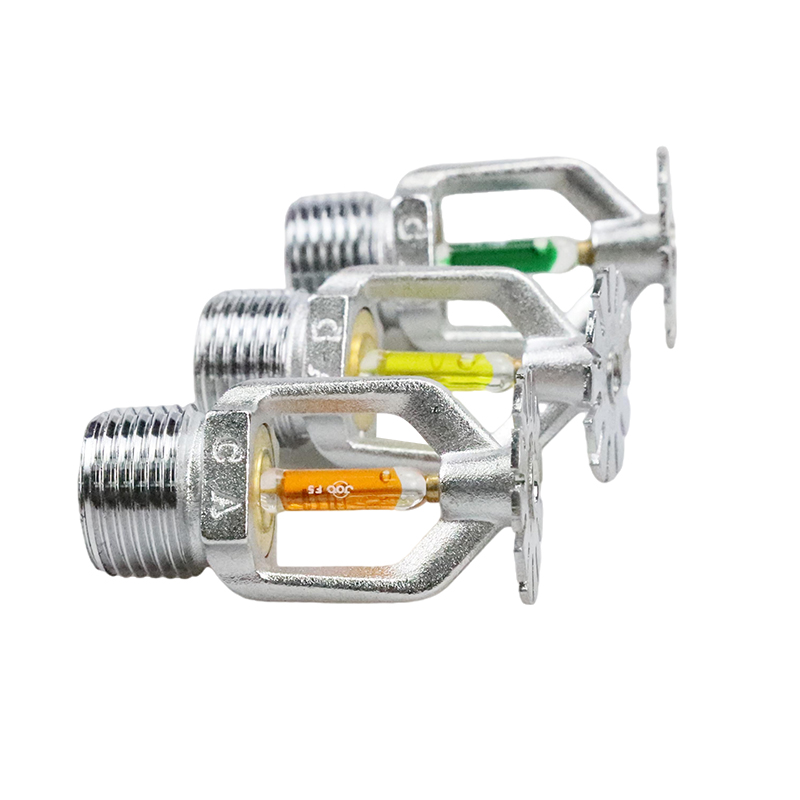
H1: A Comprehensive Guide to Fire Sprinkler Types for Optimal Fire Protection
When it comes to safeguarding properties and lives from fire hazards, understanding different fire sprinkler types is crucial. Fire sprinkler systems are the first line of defense in commercial buildings, residential spaces, industrial facilities, and public areas, and choosing the right type can significantly impact fire suppression efficiency. From standard response to specialized models designed for high-risk environments, each fire sprinkler type offers unique features tailored to specific needs. In this guide, we’ll break down 15 essential fire sprinkler types, their specifications, applications, and how to select the best one for your space.
H2: What Are the Main Fire Sprinkler Types?
Fire sprinkler types are categorized based on response time, installation orientation, temperature rating, application scenario, and design features. Each category addresses distinct fire risks, from small residential fires to large-scale industrial blazes. Below is a detailed overview of the most common and critical fire sprinkler types available in the market today, along with their key specifications in the table.
Product Specification Table for Key Fire Sprinkler Types
| Model | Fire Sprinkler Type | K-Factor | Activation Temperature | Response Index (RTI) | Installation Type | Application Scenarios | Working Pressure |
|---|---|---|---|---|---|---|---|
| T-ZSTZ 80-68°C Q5C | Standard Response | 80 | 68°C | 50-80 (m·s)½ | Upright | Office buildings, schools, hospitals, retail centers | 1.6MPa |
| K-ZSTX 80-68°C Q3J | Quick Response | 80 | 68°C | ≤50 (m·s)½ | Pendent | Apartments, hotels, dormitories, small offices | 1.6MPa |
| ESFR-202/68°CU | Early Suppression Fast Response (ESFR) | 202 | 68°C | ≤50 (m·s)½ | Pendent/Upright | High-stack warehouses, distribution centers | 1.6MPa |
| EC-ZSTZ 115-68°C Q3J | Extended Coverage | 115 | 68°C | ≤50 (m·s)½ | Upright | Convention centers, gymnasiums, large retail warehouses | 1.6MPa |
| CA RESHSW 80-68°C | Residential | 80 | 68°C | 50-80 (m·s)½ | Sidewall | Single-family homes, apartments, townhouses | Compatible with residential water supply |
| T-ZSTGX 80-68°C Q5 | Dry Pipe | 80 | 68°C | 50-80 (m·s)½ | Upright | Unheated warehouses, parking garages, cold storage | 1.6MPa |
| ZSFZ 100-1.6 | Wet Pipe | 100 | 68°C | 50-80 (m·s)½ | Upright/Pendent | Heated commercial buildings, offices, schools | 1.6MPa |
| ZSFY 100-1.6A | Pre-Action | 100 | 68°C | 50-80 (m·s)½ | Upright | Data centers, museums, archives, server rooms | 1.6MPa |
| B-DSXC-202 | Deluge | 202 | 68°C | – | Pendent | Chemical plants, oil refineries, storage tanks | 0.1-0.7MPa |
| T-ZSTBS 80-68°C Q5C | Sidewall | 80 | 68°C | 50-80 (m·s)½ | Sidewall | Spaces with limited ceiling space, offices, hotels | 1.6MPa |
| ZSTDY 80-68°C Q3 | Concealed | 80 | 68°C | ≤50 (m·s)½ | Concealed | Luxury hotels, restaurants, high-end residential spaces | 1.6MPa |
| ZSTZ 80-72°CY | Fusible Link | 80 | 72°C | 80-360 (m·s)½ | Upright/Pendent | Industrial environments, warehouses, outdoor canopies | 1.6MPa |
| ZSTX 80-182°C Q5 | High-Temperature | 80 | 182°C | 80-360 (m·s)½ | Upright | Boiler rooms, kitchens, industrial ovens | 1.6MPa |
| T-ZSTZ 80-57°C Q5C | Low-Temperature | 80 | 57°C | 50-80 (m·s)½ | Upright | Cold storage facilities, walk-in freezers (with heated pipes) | 1.6MPa |
| CMSAZ 202-74°CY | Warehouse Special Application | 202 | 74°C | 80-360 (m·s)½ | Upright | High-rack warehouses, industrial storage facilities | 0.15MPa (minimum) |
H3: 1. Standard Response Fire Sprinklers
Standard response fire sprinklers are one of the most widely used fire sprinkler types, ideal for general fire protection in commercial and industrial buildings. These sprinklers feature a response index (RTI) between 80 and 360 (m·s)½, meaning they activate relatively slowly compared to quick response models. This makes them suitable for spaces with moderate fire risks, such as office buildings, retail stores, and warehouses with low to medium storage heights.
Key specifications for standard response fire sprinklers include a flow coefficient (K-factor) ranging from 80 to 115, nominal operating temperatures from 57°C to 260°C, and compatibility with wet, dry, or pre-action sprinkler systems. The glass bulb or fusible link activation mechanism ensures reliable performance, with glass bulb colors indicating temperature ratings—orange (57°C), red (68°C), yellow (79°C), green (93°C), blue (121°C/141°C), and black (260°C). All products are PICC insured and hold national fire product certification, with customization options for temperature ratings and connection types.
H3: 2. Quick Response Fire Sprinklers
Quick response fire sprinklers are a critical fire sprinkler type for spaces where fast fire suppression is essential, such as residential buildings, hotels, and small offices. With an RTI of ≤50 (m·s)½, these sprinklers activate within seconds of detecting rising temperatures, minimizing fire spread and property damage. They use smaller glass bulbs (3mm) that respond faster to heat, making them ideal for areas with high occupancy or valuable assets.
Specifications include K-factors of 80 or 115, operating temperatures from 57°C to 141°C, and versatile installation options (upright, pendent, or sidewall). The compact design and quick activation also reduce water usage compared to standard response models, minimizing water damage after fire suppression. These sprinklers come with PICC insurance and voluntary certification, and can be customized with specific installation accessories to meet project needs.
H3: 3. Early Suppression Fast Response (ESFR) Fire Sprinklers
ESFR fire sprinklers are specialized fire sprinkler types designed for high-risk industrial environments, particularly warehouses with high-stack storage. These sprinklers combine fast response (RTI ≤50 (m·s)½) with large flow rates (K-factors up to 363), enabling them to suppress fires in their early stages before they spread to tall storage racks. ESFR sprinklers eliminate the need for in-rack sprinklers, reducing installation costs and maintenance requirements.
Key specifications include nominal operating temperatures of 68°C, 74°C, 82°C, or 100°C, maximum ceiling heights up to 13.5 meters, and maximum storage heights up to 12 meters. They are compatible with wet sprinkler systems and require specific water pressure and flow rates to ensure optimal performance. All ESFR models are PICC insured and hold type approval certificates, with custom K-factor options available for unique industrial settings.
H3: 4. Extended Coverage Fire Sprinklers
Extended coverage fire sprinklers are fire sprinkler types designed to cover larger areas than standard models, reducing the number of sprinklers needed for installation. These sprinklers have a protection area of up to 36 square meters (compared to 20 square meters for standard sprinklers), making them cost-effective for large open spaces such as convention centers, gymnasiums, and retail warehouses.
Specifications include K-factors of 80 or 115, RTI ≤50 (m·s)½, operating temperatures from 57°C to 141°C, and installation heights up to 4.8 meters. They are available in upright, pendent, and sidewall configurations, offering flexibility for different ceiling designs. These sprinklers are PICC insured and nationally inspected, with customization options for coverage radius to fit specific space requirements.
H3: 5. Residential Fire Sprinklers
Residential fire sprinklers are fire sprinkler types specifically engineered for homes, apartments, and townhouses. These compact, aesthetically pleasing sprinklers are designed to blend with home decor while providing reliable fire protection. They operate at lower water pressures (compatible with residential water supplies) and feature quick response activation to protect sleeping occupants.
Key specifications include K-factors of 80, operating temperatures of 68°C, protection area of 12.96 square meters (3.6m x 3.6m), and installation heights up to 4.8 meters. Residential sprinklers are available in pendent and sidewall designs, with options for recessed or concealed mounting to enhance aesthetics. All models are PICC insured and hold voluntary certification, with custom color and shape options to match home decor.
H3: 6. Dry Pipe Fire Sprinklers
Dry pipe fire sprinklers are fire sprinkler types designed for spaces prone to freezing, such as unheated warehouses, parking garages, and outdoor canopies. Unlike wet pipe systems that contain water in the pipes at all times, dry pipe systems use compressed air or nitrogen to keep pipes dry. When a sprinkler is activated, the air pressure drops, and water flows into the pipes to suppress the fire.
Specifications include K-factors of 80, 115, or 161, operating temperatures from 57°C to 141°C, and compatibility with dry pipe systems. These sprinklers feature a special design to prevent water from remaining in the pipes, reducing the risk of freezing and pipe damage. They are PICC insured and hold type approval certificates, with custom pipe length options (80-1500mm) for different installation scenarios.
H3: 7. Wet Pipe Fire Sprinklers
Wet pipe fire sprinklers are the most common fire sprinkler types for heated spaces, as they are simple, reliable, and cost-effective. These sprinklers are connected to pipes filled with pressurized water, so when a sprinkler is activated by heat, water is immediately discharged to suppress the fire. Wet pipe systems require minimal maintenance and have a fast response time, making them ideal for offices, schools, hospitals, and retail spaces.
Specifications include K-factors ranging from 80 to 202, operating temperatures from 57°C to 260°C, and installation options for upright, pendent, or sidewall mounting. The glass bulb activation mechanism ensures precise temperature response, and the system can be easily integrated with fire alarm systems for enhanced safety. These sprinklers are PICC insured and nationally certified, with custom connection types available for different piping systems.
H3: 8. Pre-Action Fire Sprinklers
Pre-action fire sprinklers are fire sprinkler types that combine the features of wet and dry pipe systems, making them suitable for high-value spaces such as data centers, museums, and archives. These systems require two triggers to activate: a fire detector (smoke or heat) and the sprinkler’s temperature-sensitive element. This dual activation prevents accidental discharge, protecting valuable assets from water damage.
Specifications include K-factors of 80 or 115, operating temperatures from 57°C to 93°C, and compatibility with pre-action systems. Pre-action sprinklers are available in upright, pendent, or sidewall designs, and they can be integrated with fire alarm and suppression systems for comprehensive protection. All models are PICC insured and hold voluntary certification, with custom control modes (electric, pneumatic) available for specific applications.
H3: 9. Deluge Fire Sprinklers
Deluge fire sprinklers are fire sprinkler types designed for high-risk industrial environments where rapid fire spread is a concern, such as chemical plants, oil refineries, and storage tanks. These sprinklers are open (no glass bulb or fusible link) and connected to a deluge valve that releases water to all sprinklers simultaneously when activated by a fire detector. Deluge systems provide large-volume water discharge to quickly control or extinguish large fires.
Specifications include K-factors from 142 to 360, operating pressure range of 0.1-0.7MPa, and installation heights up to 18 meters. Deluge sprinklers are available in various spray patterns, including full-circle and directional, to cover large areas effectively. They are PICC insured and nationally inspected, with custom spray patterns available for targeted fire suppression.
H3: 10. Sidewall Fire Sprinklers
Sidewall fire sprinklers are fire sprinkler types designed for spaces with limited ceiling space or aesthetic requirements, such as offices, hotels, and residential buildings. These sprinklers are mounted on walls rather than ceilings, providing horizontal water spray to cover the protected area. Sidewall sprinklers are available in standard, quick, or extended coverage models, offering flexibility for different space layouts.
Specifications include K-factors of 80 or 115, operating temperatures from 57°C to 93°C, and protection areas up to 36 square meters. The compact design and wall-mounted installation make them ideal for spaces with exposed beams, low ceilings, or decorative ceilings. These sprinklers are PICC insured and type approved, with custom installation heights available for different wall configurations.
H3: 11. Concealed Fire Sprinklers
Concealed fire sprinklers are fire sprinkler types that blend seamlessly with ceiling decor, making them popular in luxury hotels, restaurants, and high-end residential spaces. These sprinklers are installed flush with the ceiling, with a decorative cover hiding the sprinkler body. When activated by heat, the cover falls off, and the sprinkler discharges water to suppress the fire.
Specifications include K-factors of 80 or 115, operating temperatures from 57°C to 93°C, and RTI values ranging from ≤50 to 80 (m·s)½. Concealed sprinklers are available in quick or standard response models, and they meet the same safety standards as exposed sprinklers. All models are PICC insured and hold voluntary certification, with custom decorative covers available to match ceiling designs.
H3: 12. Fusible Link Fire Sprinklers
Fusible link fire sprinklers are fire sprinkler types that use a fusible alloy link instead of a glass bulb to activate. The fusible link melts at a specific temperature, releasing the sprinkler’s valve to discharge water. These sprinklers are durable and resistant to mechanical damage, making them suitable for industrial environments, warehouses, and outdoor applications.
Specifications include K-factors of 80 or 115, operating temperatures from 72°C to 74°C, and minimum activation temperatures of 69°C to 71°C. Fusible link sprinklers are available in upright, pendent, or sidewall designs, and they can withstand harsh conditions such as vibration, dust, and extreme temperatures. They are PICC insured and nationally certified, with custom alloy melting points available for specific temperature requirements.
H3: 13. High-Temperature Fire Sprinklers
High-temperature fire sprinklers are fire sprinkler types designed for spaces with elevated ambient temperatures, such as boiler rooms, kitchens, and industrial ovens. These sprinklers have higher activation temperatures (121°C to 260°C) to prevent accidental discharge from normal heat sources. They are constructed with heat-resistant materials to withstand high temperatures and ensure reliable performance.
Specifications include K-factors of 80 or 115, operating temperatures from 121°C to 260°C, and compatibility with wet or dry pipe systems. High-temperature sprinklers are available in upright, pendent, or sidewall designs, and they are essential for spaces where standard sprinklers would be triggered by normal operating temperatures. All models are PICC insured and hold voluntary certification, with custom high-temperature ratings available for extreme environments.
H3: 14. Low-Temperature Fire Sprinklers
Low-temperature fire sprinklers are fire sprinkler types designed for cold environments where the ambient temperature is above freezing but below standard operating temperatures. These sprinklers have activation temperatures of 57°C (orange glass bulb), making them suitable for cold storage facilities, walk-in freezers (with heated pipes), and unheated spaces in mild climates.
Specifications include K-factors of 80, operating temperature of 57°C, minimum applicable temperature of 4°C, and RTI of 50-80 (m·s)½. Low-temperature sprinklers are compatible with wet or dry pipe systems, and they provide reliable fire protection in spaces where standard sprinklers may not activate quickly enough. They are PICC insured and type approved, with custom low-temperature adaptability features available for harsh cold conditions.
H3: 15. Special Application Fire Sprinklers
Special application fire sprinklers are fire sprinkler types engineered for unique or high-risk environments, such as warehouses with high 货架,chemical plants, and data centers. These include ESFR, deluge, and pre-action sprinklers, as well as specialized models for specific hazards such as flammable liquids, electrical fires, and high-velocity fires. Special application sprinklers are designed to meet specific NFPA standards and provide targeted fire suppression for complex risks.
Specifications vary by model but often include high K-factors, specialized activation mechanisms, and compatibility with advanced fire suppression systems. These sprinklers are typically used in industrial or commercial settings where standard sprinklers are insufficient to address the fire risk. All special application models are PICC insured and nationally inspected, with custom adaptations available for unique hazard scenarios.
H2: How to Choose the Right Fire Sprinkler Types for Your Space
Selecting the right fire sprinkler types requires considering several key factors, including the building’s use, occupancy, fire risk level, ceiling height, ambient temperature, and water supply. Here are some steps to guide your decision:
- Assess Fire Risk Level: Identify the type of fire hazard (e.g., ordinary combustibles, flammable liquids, electrical equipment) and the risk severity (low, medium, high). High-risk environments may require specialized fire sprinkler types such as deluge or ESFR models.
- Consider Building Occupancy: Residential spaces, offices, and public areas have different safety requirements. For example, residential buildings benefit from quick response or residential fire sprinkler types, while industrial facilities may need ESFR or deluge sprinklers.
- Evaluate Ceiling Height and Storage: Ceiling height and storage height determine the required K-factor and coverage area. High ceilings or tall storage racks may require extended coverage or ESFR fire sprinkler types.
- Check Ambient Temperature: Spaces prone to freezing need dry pipe or pre-action fire sprinkler types, while heated spaces can use wet pipe sprinklers. High-temperature environments require specialized high-temperature sprinklers.
- Review Water Supply: Ensure the water supply can meet the sprinkler system’s flow and pressure requirements. Some fire sprinkler types, such as ESFR and deluge models, require higher water flow rates.
H2: Conclusion
Understanding the different fire sprinkler types is essential for selecting the right fire protection system for your space. From standard response to specialized models like ESFR and deluge, each fire sprinkler type offers unique features to address specific fire risks. By considering factors such as fire risk level, building occupancy, ceiling height, and ambient temperature, you can choose a sprinkler system that provides optimal protection.
All CA-FIRE PROTECTION fire sprinkler types are PICC insured, nationally certified, and backed by years of industry experience. Our products have been trusted in key projects such as Beijing Daxing International Airport, The Palace Museum, and Tencent Data Centers, ensuring reliable performance in critical environments.
For more information on fire sprinkler types or to request a quote, contact our team today. Our experts are ready to help you find the perfect fire protection solution tailored to your needs.
Email: sales@ca-fire.com
Mobile: +86 13400715622
WhatsApp: +86 18150362095
WeChat: 404863577
Website: https://www.ca-fire.com